

Ceasefire or Setup? Analyst Warns “Real” US–Iran Conflict May Still Escalate


HARARE — Global markets may have briefly stabilised following the April 7 ceasefire announcement between the United States and Iran, but emerging analysis suggests the truce could be a fragile pause rather than a pathway to lasting peace. According to geopolitical analyst Jiang Xueqin, the current ceasefire lacks the structural depth required to resolve the core drivers of the conflict, raising fears that tensions could quickly resurface.
The ceasefire, reportedly brokered by Pakistan instead of traditional mediators such as Oman or Qatar, has no formally signed agreement, leaving room for differing interpretations between Washington and Tehran. Within days of the announcement, early indicators pointed to instability. Maritime tracking data cited by Lloyd’s List showed a dramatic drop in shipping traffic through the Strait of Hormuz, a key global oil route, highlighting lingering uncertainty. At the same time, violence in Beirut continued, with Israeli strikes reportedly causing heavy casualties. Prime Minister Benjamin Netanyahu has maintained that the ceasefire does not extend to operations against Hezbollah, further complicating regional stability.
At the heart of the dispute remains a deep divide over Iran’s nuclear programme. The United States continues to push for a permanent halt to uranium enrichment, while Iran insists the programme is a sovereign right. Analysts warn that without compromise on this issue, any ceasefire risks being temporary.
Background: Escalation and Regional Impact
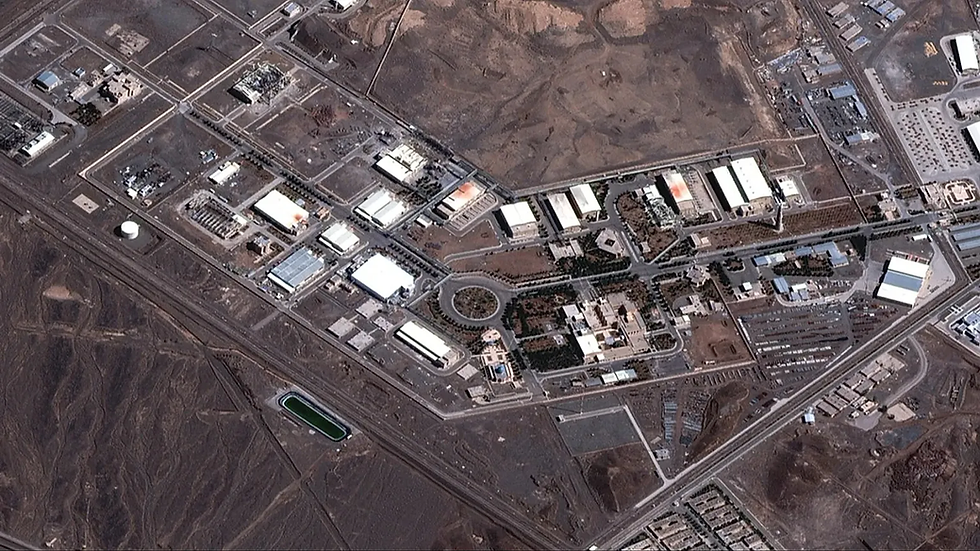
The current standoff follows weeks of intense conflict, including coordinated strikes targeting Iran’s military and nuclear infrastructure. The violence has already had significant human and economic costs, with global oil prices surging above $100 per barrel at the height of the crisis. Iran’s leadership transition following the reported death of Ali Khamenei has also introduced new uncertainties, with his successor, Mojtaba Khamenei, signalling a more assertive stance.
Three Possible Scenarios
Experts outline three likely trajectories in the coming days:
Fragile Stability: Talks hold, with limited agreements reached through ongoing negotiations.
Quiet Breakdown: Low-level hostilities resume without a formal end to the ceasefire.
Full Escalation: A major strike triggers a return to high-intensity conflict involving multiple actors.
The “quiet breakdown” scenario is widely seen as the most probable, given ongoing tensions on multiple fronts.
For Zimbabwe, developments in the Middle East carry direct economic implications. The country relies heavily on imported fuel, making it vulnerable to global oil price fluctuations. Economist Persistence Gwanyanya said any disruption in the Strait of Hormuz could have immediate domestic consequences.
“Fuel prices in Zimbabwe are highly sensitive to global oil markets. Any sustained disruption will translate into higher transport costs, increased production expenses, and inflationary pressure,” he said.
With oil prices still elevated, even minor disruptions could ripple through Zimbabwe’s economy, affecting businesses and households alike.
As diplomatic efforts continue, the coming days are expected to test whether the ceasefire can evolve into a more durable agreement or collapse under the weight of unresolved tensions. For now, analysts caution that the absence of a formal framework and ongoing regional conflicts suggest that the risk of renewed escalation remains high.
US Iran ceasefire analysis 2026


Comments