

Cyclone Risk Looms Over Zimbabwe’s 2025–26 Rainfall Season
- Southerton Business Times

- Sep 24, 2025
- 2 min read
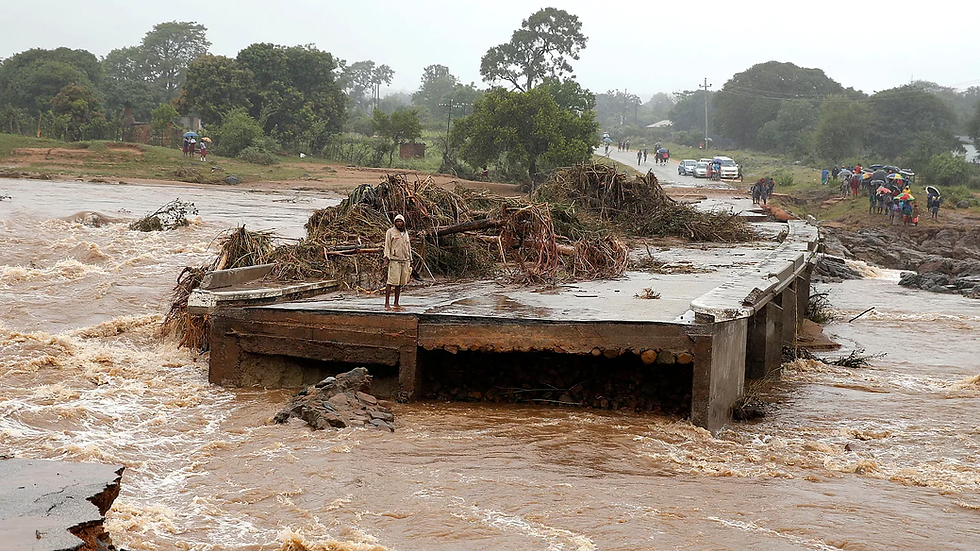
Zimbabwe faces a heightened risk of tropical cyclones and erratic rains in the 2025–26 season, meteorologists and humanitarian agencies warned on Monday, urging early preparedness for floods and infrastructure stress. The Meteorological Services Department (MSD) and regional forecasting bodies say a weak La Niña signal and a negative Indian Ocean Dipole raise the probability of above-normal rainfall in parts of the country from December, while October–November may be drier than usual, creating rapid shifts in hazard exposure.
The MSD’s national outlook signals a “season of two halves”: a delayed, erratic onset with dry conditions in October–November followed by normal to above-normal rainfall from December into early 2026. Eastern and southern provinces are especially vulnerable to tropical cyclone impacts.
Preparedness and Disaster Risk
Disaster managers warn that the combination of a dry planting window followed by heavy rains increases the risk of flash floods, crop loss and damage to roads and dams. They have called for pre-season action on early-warning systems, water management, and infrastructure readiness.
MSD director Rebecca Manzou told reporters that the exact tracks and intensity of any cyclones remain uncertain, but the atmospheric energy available increases the likelihood of systems forming over the southwest Indian Ocean that could reach Zimbabwe’s eastern districts. Communities in flood-prone zones have been urged to heed Department of Civil Protection alerts.
The World Food Programme’s recent donation of 4x4 vehicles to MSD was cited as a significant boost to field monitoring and early-warning capacity. “Early warning saves lives and livelihoods,” said Billy Mwiinga, WFP deputy country director, highlighting the importance of mobility for verifying forecasts and moving relief supplies.
Agricultural Impact
Agriculture experts warn the forecast complicates planting decisions. Agronomist Dr. Tapiwa Mataruka explained that farmers face a difficult choice: plant early and risk dry spells that harm germination, or delay planting and risk seedbeds being overwhelmed by heavy rains later in the season.
“Flexible planting windows, seed-and-fertiliser support timed to the December rains, and water-harvesting measures are now essential,” he said.
Zimbabwe’s largely rainfed smallholder sector supplies the bulk of staple maize, making the forecast a serious concern for food security. The Famine Early Warning Systems Network (FEWS NET) has similarly flagged elevated risks linked to La Niña patterns for southern Africa that could deepen vulnerability if mitigation steps are not taken. Historical Context and Next Steps
The country suffered catastrophic impacts during Cyclone Idai in 2019, when eastern districts saw widespread landslides and flooding. Concerns that preparedness remains uneven have prompted both government and donors to emphasise pre-positioning, road maintenance and community evacuation planning this year.
Authorities will update seasonal outlooks monthly. MSD and the Department of Civil Protection plan joint community awareness drives ahead of the peak December–February window. Analysts say reservoir levels, dam management, and local contingency stocks will serve as early indicators of preparedness.


Comments