

Harare Residents Fear Anti-Corruption Report Buried
- Southerton Business Times

- Oct 8, 2025
- 2 min read

Harare residents and civic-watch groups are expressing alarm that a long-awaited anti-corruption report on City of Harare operations may never see daylight after the Office of the President and Cabinet failed to act more than three months after receiving the document. Compiled by an independent Local Government Ministry task force, the report was submitted to President Emmerson Mnangagwa on 2 July 2025 and, according to civic activists, has since “gathered dust” at Munhumutapa Building.
“Without transparency, our city’s future is at risk,” said Farai Chiwenga, a community leader in Glen Norah who reviewed the report’s executive summary.
According to coverage by online outlets, investigators uncovered inflated procurement contracts, ghost workers, and unaccounted municipal fines within Harare’s sanitation, roads, and water departments. A councillor who requested anonymity told Southerton Business Times that the financial irregularities could run into tens of millions of US dollars. “The city hemorrhages money through duplicate supplier invoices and politically connected contractors who never deliver,” the councillor said.
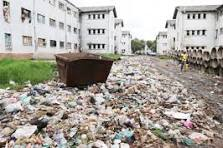
Middle-income suburbs such as Borrowdale have recorded disappearing environmental-fine revenues, while poorer districts—Dzivarasekwa, Highfield, and Mabvuku—struggle with raw-sewage leaks and crumbling roads. “They pick on the poor and smile on their friends,” said one Dzivarasekwa resident interviewed near a burst-sewer site.
Transparency International Zimbabwe (TIZ) says selective enforcement of anti-graft laws continues to erode public trust. “A score of 21 out of 100 on the latest Corruption Perceptions Index reflects systemic failure,” said Obert Chinhamo, executive director of the Anti-Corruption Trust of Southern Africa (ACT-SA). Zimbabwe’s Prosecutor General Loice Matanda-Moyo estimates the country loses about US$1.8 billion annually to corruption, funds that could otherwise rebuild infrastructure or expand clean-water systems. Since 2018, the administration has repeated its “zero-tolerance” pledge, but earlier probes—including a 2020 ZACC audit of municipal accounts—resulted in few prosecutions.
Civil-society organisations such as the Combined Harare Residents Association (CHRA) and Zimbabwe Coalition on Debt and Development (ZIMCODD) are petitioning Parliament to table the report formally and summon senior ministers for questioning. The Ministry of Information, Publicity and Broadcasting Services has urged citizens to “refuse, resist and report” corruption, but no release timeline for the presidential response has been disclosed.
With local-authority elections scheduled for November 2025, many fear the dossier could become a political bargaining chip. Analysts warn that inaction might discourage donor funding for water, housing, and waste-management projects that depend on governance reforms. Economist Dr Prosper Matonhodze of the University of Zimbabwe notes that each year of mismanagement adds an estimated 2 percent to Harare’s service-delivery deficit, increasing the cost of urban maintenance and eroding investor confidence. “When audits vanish and sanctions stall, ratepayers shoulder the cost through higher tariffs and deteriorating living conditions,” Matonhodze said.
A 2024 World Bank review found that urban inefficiencies and procurement corruption reduce Zimbabwe’s potential GDP growth by up to 1.5 percent annually. Lawmakers on Parliament’s Public Accounts Committee have promised to pursue the matter once the House resumes its October session. Meanwhile, civic groups are preparing Freedom of Information requests to compel the report’s release.


Comments