

Infidelity: The Hidden Fuse Behind Rising Domestic Violence in Zimbabwe

By Valerie Mpundu
When trust walks out the door, violence often walks in behind it.
Many couples never learned how to talk about emotional hurt. So when betrayal happens, there is no constructive conversation only silence, growing suspicion, shouting, and ultimately, catastrophic violence.
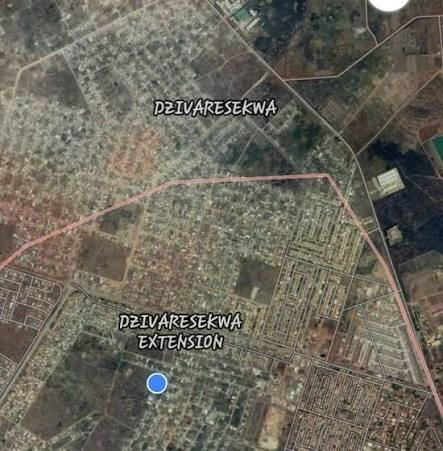
In Dzivarasekwa, Harare, the local community is still reeling from two recent cases. In one incident, a wife allegedly axed her husband to death following a domestic dispute. In another, a woman was accused of launching a severe physical attack targeting her husband's genitals. Similar brutal incidents have been reported in Victoria Falls and across other districts, highlighting a disturbing trend of escalating spousal assault.

In many other areas, severe cases go unreported to law enforcement, but marriage counselors report hearing identical patterns behind closed doors.
These are not isolated tragedies. They form a broader pattern now routinely appearing in police dockets and hospital casualty wards and the conflict usually traces back to extra-marital affairs.
The Digital Catalyst and Economic Distance
Modern technology has significantly accelerated these conflicts. Secret chat applications, deleted text logs, and "active now" status indicators at 2:00 AM have turned smartphones into sources of evidence, bait, and triggers for domestic disputes. A single screenshot is often enough to start a confrontation that ends in physical injury. Neighbors rarely hear the argument first anymore; they often see the outcome shared on social media platforms.
Geographic separation and changing socio-economic dynamics are also compounding marital strain:
Long-Distance Work: Cross-border traders, long-distance truck drivers, and artisanal miners spend weeks or months away from home. In that physical absence, suspicion thrives.
Shifting Household Dynamics: As more women earn independent incomes through cross-border trade and informal business, traditional domestic roles are shifting. When both partners feel disrespected or financially pressured, conflict escalates quickly.
Consequently, support centers are seeing a rising number of women named as perpetrators of severe physical violence a marked shift from previous years.

The Cycle of Escalation
Domestic violence rarely begins with a physical blow. It typically evolves through distinct stages:
Initial Interrogation: Verbal confrontations centered on whereabouts and unaccounted time.
Surveillance: Searching phone call logs, social media messages, and personal belongings.
Withdrawal & Hostility: Cold wars, slammed doors, and emotional distance inside the home.
Physical Violence: Escalation into severe physical assault when suspicion reaches a breaking point.
Throughout this cycle, children exposed to chronic household tension and conflict suffer the longest-lasting psychological trauma.
Prevention and Early Intervention
Faith leaders, traditional authorities, and professional counselors emphasize that communities must address marital infidelity and conflict resolution proactively before issues escalate into physical harm.
Several community churches and civil society organizations have begun implementing pre-marital workshops and dispute-resolution programs focusing on communication, financial management, and conflict handling.
Ultimately, experts emphasize that when reconciliation or forgiveness is no longer viable, stepping away from a volatile household remains the safest path to preserving life.
domestic violence infidelity Zimbabwe


Comments