

Mental Health Must Be Core to Disaster Preparedness, Say Zimbabwean Experts
- Southerton Business Times

- Oct 31, 2025
- 2 min read

HARARE — Mental health advocates and disaster response specialists are urging Zimbabwe to embed psychological support in all disaster preparedness and recovery frameworks, warning that trauma and stress are too often ignored in the aftermath of floods, droughts, and disease outbreaks. Speaking at the 2025 National Disaster Risk Reduction Symposium in Harare, stakeholders said that without addressing the emotional toll of disasters, national resilience will remain incomplete.
“We cannot build resilience without addressing the emotional toll disasters take,” said Dr. Patience Moyo, a clinical psychologist and advisor to the Civil Protection Unit.
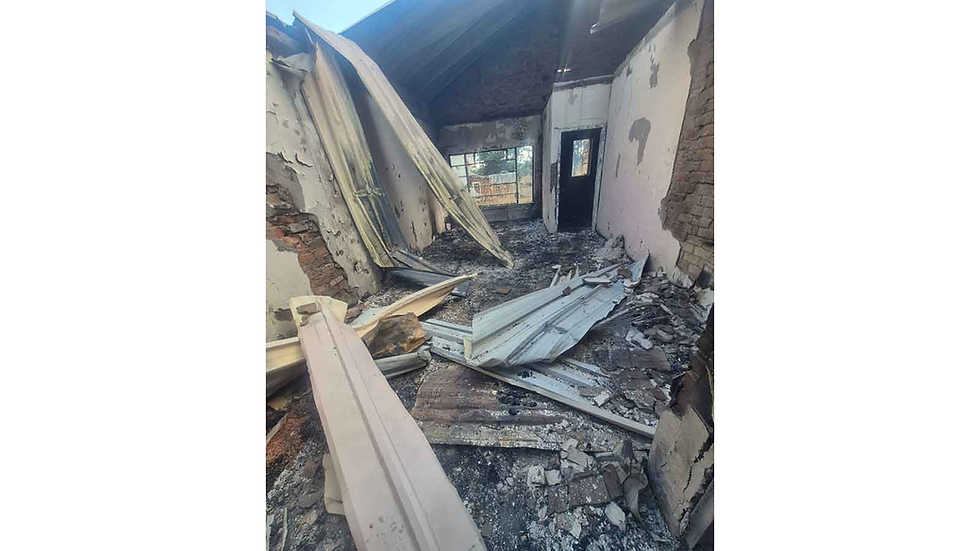
Zimbabwe has endured a string of climate-related crises in recent years — from Cyclone Idai (2019) and the 2023 cholera outbreak to prolonged droughts that threaten food security. While recovery efforts tend to prioritise infrastructure and humanitarian aid, mental health remains chronically underfunded. “Survivors suffer silently,” said Tawanda Chikore, a social worker in Chimanimani. “Many develop PTSD, depression, or anxiety, but there’s no system to catch them.”
A 2024 University of Zimbabwe study found that over 60% of disaster survivors showed signs of trauma, yet fewer than 10% received psychological support. The Ministry of Health and Child Care has begun integrating mental health services into its Community-Based Disaster Preparedness Framework, piloting initiatives in Manicaland and Masvingo. These include training first responders in psychological first aid and deploying mobile counselling units.
“We’re building capacity at the grassroots level,” said Dr. Agnes Mahomva, Chief Coordinator for the National Response. “But we need more funding and cross-sector collaboration.”
International partners such as UNICEF Zimbabwe and the World Health Organization have endorsed the effort, citing evidence that mental health interventions accelerate long-term recovery and enhance community stability. Experts warn that untreated trauma erodes productivity, education, and social cohesion — especially in rural regions where livelihoods are already fragile.
“Mental health is an economic issue,” said Dr. Tapiwa Nyatsanza, a public health economist. “If people can’t cope, they can’t work, learn, or rebuild.”
The push comes as Zimbabwe updates its National Disaster Risk Reduction Strategy (2026–2030), with consultations underway to make psychosocial support a mandatory element of preparedness and recovery. Advocates stress that as climate change intensifies, building psychological resilience must be treated with the same urgency as rebuilding roads and shelters.
“We must prepare minds as well as roads and shelters,” said Dr. Moyo. “Resilience starts from within.”


Comments