

Mossel Bay Unrest: South Africa Faces Tough Questions Over Xenophobia and Violent Ethnic Profiling

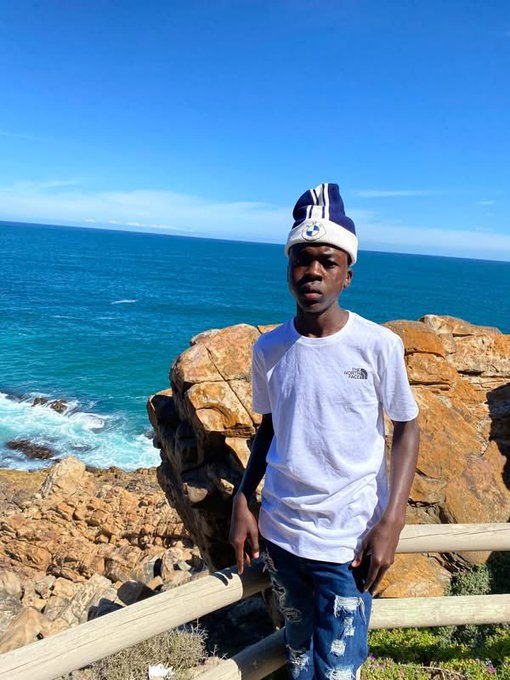
HARARE – Violent unrest linked to anti-immigration protests erupted in the KwaNonqaba and Asla Park areas of Mossel Bay, South Africa, in late May 2026, leaving a trail of destruction, displacement, and death. Local police have confirmed that two men died during the chaos, multiple homes were razed by fire, and hundreds of residents have been displaced in what community leaders and local officials describe as suspected xenophobic attacks. Among the casualties is 19-year-old Nhlamulo Sambo, whose death has sparked a wave of emotionally charged allegations across social media platforms.
Unverified Motives and Fears of Ethnic Profiling
Sambo’s family alleges that the teenager was targeted and killed by a mob simply because he spoke Tsonga. If these allegations are proven accurate, the implications are deeply troubling for regional social cohesion. Tsonga and Venda speakers are indigenous South African citizens. Targeting individuals based on their language or accent represents a dangerous shift toward internal ethnic profiling, directly undermining constitutional protections.
However, authorities have urged calm and cautioned against relying strictly on social media narratives. South African police have stated that the precise motives for the killings remain under active investigation, and they have not yet publicly confirmed whether either victim was singled out due to ethnicity or language.
A Growing Regional Threat: Vigilantism and Tribalism
Human rights groups, community organizations, and regional political leaders have repeatedly warned that unchecked anti-immigration campaigns create toxic environments. In these spaces, individuals are violently profiled based on their language, accent, nationality, or physical appearance.

Researchers and policy analysts cite several systemic factors driving this volatile landscape:
Economic Despair: High unemployment rates and deep socioeconomic frustrations within local communities.
Institutional Distrust: Perceptions of weak immigration management and a belief that state authorities are failing to enforce existing laws.
Political Rhetoric: Populist political messaging that frequently scapegoats migrants for broader infrastructure and economic challenges.
Rise of Vigilante Groups: The rapid growth of organized vigilante movements attempting to enforce immigration law outside established legal channels.
Digital Misinformation: The unchecked spread of social media rumors that rapidly inflame local tensions and spark real-world violence.
Analysts warn that when citizens lose confidence in state institutions, the law is increasingly taken into private hands. Historically, this breakdown of the rule of law results in innocent people becoming victims of untested accusations.
The Legal Framework and Moving Forward
South Africa's Constitution strictly guarantees equality before the law, regardless of ethnicity, language, or nationality. While public concerns regarding undocumented migration are legitimate policy debates, identifying, detaining, and deporting undocumented individuals remains the exclusive responsibility of formal law enforcement and immigration authorities, not private citizens or community groups.
Until formal police investigations are finalized, the exact motives behind the death of Nhlamulo Sambo must be treated as unconfirmed allegations. What remains undeniable, however, is that the latest cycle of unrest in Mossel Bay has inflicted significant trauma, displacement, and loss of life.
violent unrest in Mossel Bay


Comments