

Outrage in Gweru as Widow Accuses Chinese-Owned Mine of Illegal Exhumation

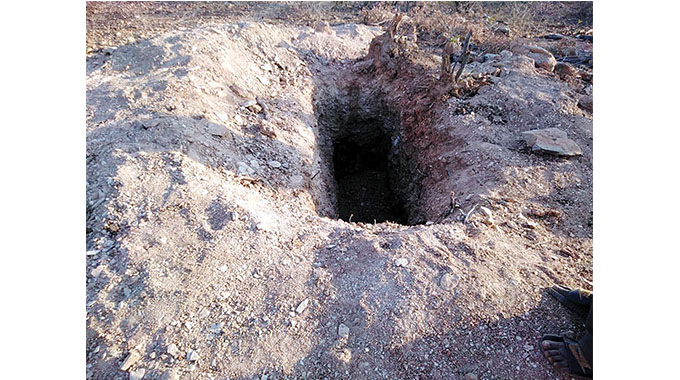
GWERU – A Gweru woman has accused a Chinese-owned mining company, Harsh 3 Mine, of illegally exhuming her late husband’s remains without family consent, an incident that has sparked outrage and renewed scrutiny over mining operations and cultural rights in Zimbabwe. Keresia Mucharuza (45) claims the remains of her husband, Takesure Mutanda, were dug up on 5 April 2026 from their family homestead near Guinea Fowl, under Chief Gambiza, and reburied about a kilometre away under distressing circumstances.
Speaking to Masvingo Mirror, Mucharuza described the ordeal as traumatic and deeply disrespectful.
“The family is deeply traumatised after it watched in horror as an excavator hurriedly opened the grave and exposed the remains,” she said.
She alleged that the remains were placed in a toolbox before being relocated, adding that the process lacked dignity and failed to follow basic burial and health procedures.
“A coffin promised by the mining company did not materialise. Relatives had to gather scattered remains themselves,” she said.
The Zimbabwe Republic Police, through Midlands provincial spokesperson Emmanuel Mahoko, confirmed that authorities were not notified of the exhumation.
“I can confirm that the police were not informed of any such process,” he said.
Under Zimbabwean law, exhumations typically require formal authorisation from health authorities and police oversight to ensure compliance with public health regulations and respect for the deceased.
A representative of Chief Gambiza, Aaron Tombola, said the process violated both cultural norms and procedural requirements.
“I witnessed the removal of skeletal remains from the grave. No proper health procedure was followed, and I wish to dissociate myself from the process. As the chief advised, that action needed police authorisation,” he said.
The incident has reignited concerns over how mining activities intersect with traditional land rights and burial practices, particularly in rural communities.
Sleiman Kwidini, the Member of Parliament for Chiwundura and Deputy Minister of Health and Child Care, condemned the incident, saying proper channels were not followed. He added that traditional leadership structures should have ensured the matter was reported and handled lawfully.
Mucharuza further alleged that villagers were issued a US$5,000 compensation offer to relocate their homes to make way for mining operations. She said she had initially been assured that her husband’s grave would remain untouched and that the company would erect a tombstone in his honour. However, she claims the position later changed without her consent.
“Both my family and I objected to this decision. Despite our refusal, and in the absence of police or local authority, the exhumation proceeded,” she said.
The case highlights growing tensions between mining expansion and community rights in Zimbabwe, particularly involving foreign-owned mining operations.
Legal experts say such disputes underscore the need for:
Clear adherence to exhumation laws
Respect for cultural and burial practices
Transparent community engagement
Efforts to obtain comment from Harsh 3 Mine were unsuccessful at the time of publication. Authorities are expected to look into the matter, amid calls for accountability and stricter enforcement of regulations governing exhumations and mining operations.
illegal exhumation Zimbabwe


Comments