

Women’s Health Diaries: Understanding Cervical Cancer
- Southerton Business Times

- Jun 1
- 3 min read
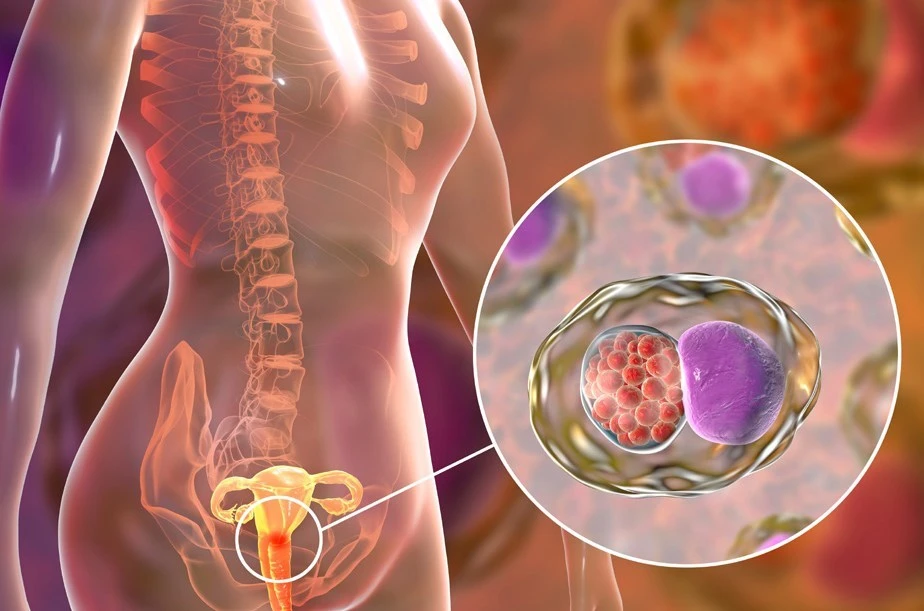
Cervical cancer is a type of cancer that originates on the surface of the cervix. It occurs when the cells lining the cervix undergo changes and become precancerous. Human Papillomavirus (HPV) infection is the primary cause of almost all cervical cancer cases. HPV is a virus that spreads through sexual contact. To reduce your risk of cervical cancer, it’s crucial to undergo regular cervical cancer screenings, such as Pap smears, and receive the HPV vaccine.
Cervical cancer often goes unnoticed until it has spread. Therefore, regular screenings and the HPV vaccine are vital for early detection. When diagnosed in its early stages, cervical cancer is highly treatable. A healthcare provider can effectively treat it through various methods.
In Zimbabwe, cervical cancer is the most common cancer among women, accounting for over 21% of all cancer cases nationwide. Zimbabwe has one of the highest incidence and mortality rates for cervical cancer globally. The incidence rate is approximately 68.2 cases per 100,000 women, and the age-standardised mortality rate is 47.9 per 100,000 women.
Key Statistics
Annual Diagnoses: Approximately 3,000 to 3,500 new cases are diagnosed each year.
Annual Mortality: Around 2,000 women die from the disease annually.
Primary Cause: The disease is primarily caused by the Human Papillomavirus (HPV).
Contributing Factors
The high prevalence and severity of cervical cancer in Zimbabwe are exacerbated by two significant public health issues:
HIV Co-infection: Women living with HIV have a significantly higher risk of developing cervical cancer. In Zimbabwe, over two-thirds of women presenting with advanced cervical cancer are HIV-positive.
Delayed Diagnosis: A large proportion of patients seek medical attention when the cancer has already progressed to advanced stages. This is often due to limited diagnostic facilities, unequal access to screening services, and cultural or educational barriers.
To combat this, the Ministry of Health and Child Care (MoHCC) has prioritised cervical cancer prevention through a dual approach. Firstly, they have implemented nationwide HPV vaccination programmes targeting girls aged 9 to 14. Secondly, they offer secondary prevention through Visual Inspection with Acetic Acid (VIAC) and HPV testing for women aged 25 to 49.
Diet for Cervical Cancer Prevention

While no specific food can prevent or cure cervical cancer, a diet rich in plant-based nutrients and antioxidants can help your immune system fight HPV infections and repair cell damage. Prioritise folate (Vitamin B9), Vitamins A, C, and E.
Important Note: No diet can replace essential preventive measures, particularly the HPV vaccine.
Key Nutrients & Foods
Folate (Vitamin B9): This nutrient helps repair DNA and clear HPV. Sources include spinach, lentils, chickpeas, and strawberries.
Antioxidant Vitamins (A, C, E): These vitamins protect cells from damage and boost immunity. Sources include citrus fruits (oranges and kiwis), berries, carrots, sweet potatoes, and nuts.
Cruciferous Vegetables: Broccoli, cauliflower, and cabbage contain compounds such as sulforaphane, which help fight abnormal cell growth.
Lycopene: Found in cooked or sauce-based tomatoes, lycopene is linked to lower rates of cervical cell changes.
Omega-3 Fatty Acids: Found in flaxseeds and fatty fish like salmon and sardines, these acids effectively reduce inflammation.
To maintain cervical health, it’s best to avoid or limit foods that cause inflammation and weaken your immune system. This includes processed meats, excessive red meat, ultra-processed junk foods, high-sugar items, and excessive alcohol consumption.
For a holistic approach to your health, pair a balanced whole-foods diet with regular physical activity and avoid tobacco. Always consult a healthcare provider or registered dietitian for a nutrition plan tailored to your specific medical history and risk factors.
Disclaimer
This content is for informational purposes only and does not constitute medical advice, diagnosis, or treatment. Always seek the advice of a qualified healthcare provider with any questions regarding a medical condition. Never disregard professional medical advice or delay seeking it because of something you have read here.
Dr. Precious Sibiya, a mother, sister, daughter, and friend, is a certified Wellness Practitioner, stroke survivor, and advocate for natural healing and lifestyle. Contact her for more wellness insights:
Email: precioussibiya2014@gmail.com
Phone: +263775369467

cervical cancer in Zimbabwe


Comments