

OPINION: The Ethanol Scandal—Why Zimbabweans Pay a “Greed Tax” at the Pump

The recent surge in fuel prices, which saw petrol climb to a staggering US$2.17 per litre and diesel to US$2.05, has been conveniently blamed on the geopolitical tremors of the Middle East. However, LEAD president Linda Masarira has pierced through this narrative, identifying a much more local pathogen: institutionalized greed. Masarira’s dismissal of the “Iran conflict” excuse isn't just political rhetoric; it is backed by a mathematical reality that should outrage every motorist from Mutare to Plumtree.
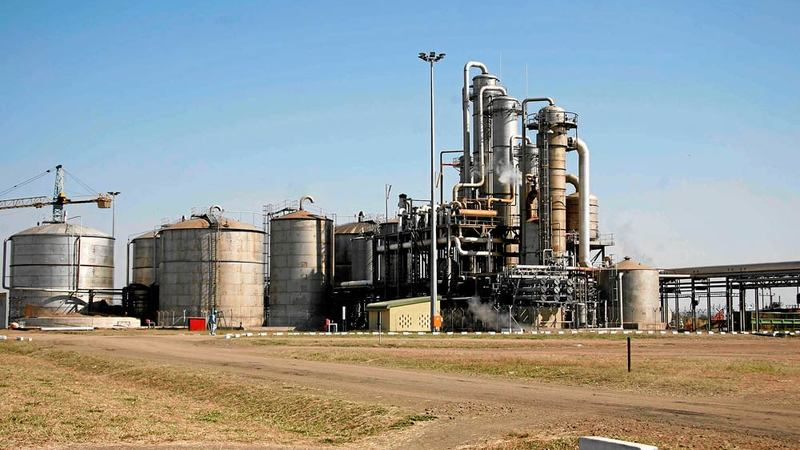
The most damning point raised is the pricing of locally produced ethanol. Currently mandated for blending at E20 (20% ethanol, 80% petrol), ethanol is being sold to oil companies at US$1.10 per litre. As Masarira rightly notes, ethanol is a byproduct of sugar production. While global wholesale benchmarks for fuel ethanol hover between US$0.55 and $0.70, Zimbabweans are forced to pay a premium for a product that is supposed to lower the import bill.
“Billy Rautenbach needs to explain how ethanol, which is a waste product... gets to US$1.10 per litre," Masarira challenged. "Blending is meant to reduce carbon dioxide and increase quantity, lowering the price. But in Zimbabwe, ethanol is now costing more than imported petrol.”
By keeping ethanol prices artificially high through the Green Fuel monopoly, the "savings" of blending are never passed to the consumer. Instead, they are captured as pure profit by a single entity.
The "landlocked" excuse no longer holds water. Consider our neighbor, Zambia. Much of Zambia’s fuel transits through Zimbabwe via the Beira pipeline or road haulage. Logistically, Zambian fuel should be more expensive due to the extra distance.
Yet, as of March 2026:
Zimbabwe Petrol: US$2.17 (Highest in SADC after Malawi)
Zambia Petrol: US$1.60
South Africa Petrol: ~US$1.06
Zambia does not mandate ethanol blending, yet its fuel remains significantly cheaper. The difference lies in Zimbabwe's predatory tax regime. While the government recently "cushioned" prices by reducing the Strategic Reserve Levy, they simultaneously collect nearly US$0.86 per litre in various taxes and levies—one of the highest tax-to-fuel ratios in the world.
When fuel goes up, everything goes up. From the price of a loaf of bread to the cost of a commuter omnibus from Chitungwiza, the fuel price is the "mother of all costs." By allowing an ethanol monopoly and maintaining an extractive tax system, the authorities are effectively "declaring war on the livelihoods of the people," as Masarira suggests.
It is time to stop blaming Tehran for a crisis manufactured in Harare. If we truly want to lower the cost of living, we must start by de-monopolizing the ethanol market and slashing the irrational levies that make Zimbabwe the "fuel-price outlier" of Southern Africa.
Zimbabwe fuel price hikes 2026


Comments