

Zimbabwe Revises Licensing Fees for Payment Service Providers

By Southerton Business Times Reporter, Harare
Zimbabwe has revised licensing fees for payment service providers, introducing a US$5,000 application fee for new providers and annual licence charges linked to turnover under Statutory Instrument 17 of 2025.
The Banking (Money Transmission, Mobile Banking and Mobile Money Interoperability) (Amendment) Regulations, 2025, were gazetted on February 28, 2025, by the Minister of Finance, Economic Development and Investment Promotion under Section 81 of the Banking Act [Chapter 24:20].
The regulations amend the fee schedule established under Statutory Instrument 80 of 2020, affecting banks, fintech companies and other businesses seeking to provide payment services in Zimbabwe. For international fintech firms and local businesses planning to enter the market, the changes make licensing costs an important consideration in assessing market-entry plans and ongoing compliance obligations.
New application and annual licence fees
The revised First Schedule sets out application charges for different categories of payment service providers. The listed fees are denominated in United States dollars and exclude value-added tax (VAT). The key charges are:
Application or licence category | Fee |
Application for a new payment service provider | US$5,000 |
Application to enhance an existing payment service provider’s products | US$1,000 |
Application for a new auxiliary or ancillary service provider | US$500 |
Application to enhance an auxiliary or ancillary service provider | US$100 |
Annual payment service provider licence | 2% of gross annual turnover, capped at US$50,000 |
Annual auxiliary or ancillary service provider licence | 1% of gross annual turnover, capped at US$15,000 |
The distinction between the two provider categories is important. The US$50,000 annual cap applies to payment service providers, while auxiliary or ancillary service providers have a separate annual charge of 1% of gross annual turnover, capped at US$15,000.

For example, a payment service provider with gross annual turnover of US$1 million would incur a calculated annual licence charge of US$20,000 under the 2% formula, subject to the applicable rules. A provider with turnover of US$3 million would reach the US$50,000 cap. The application fee and annual licence fee are separate charges. Businesses should also account for VAT and any other applicable regulatory or operational costs when budgeting for entry into the market.
The regulations further provide that Zimbabwean applicants may pay the fees in local currency at the prevailing foreign exchange rate on the date of payment.
What the changes mean for fintech companies
The revised fee schedule replaces the earlier schedule under the 2020 regulations and gives prospective providers clearer fee categories for applications, product enhancements and annual licensing. International fintech companies, money transmission businesses and mobile money operators should first establish which regulatory category applies to their proposed services before calculating their expected costs.
This is particularly important for businesses offering several products, since the fee schedule distinguishes between new payment service providers, existing providers seeking to enhance their products, and auxiliary or ancillary service providers. The statutory instrument addresses fees. Meeting the financial requirements alone should not be treated as confirmation that a business has satisfied all the conditions for operating in Zimbabwe.
The Reserve Bank’s recognition framework
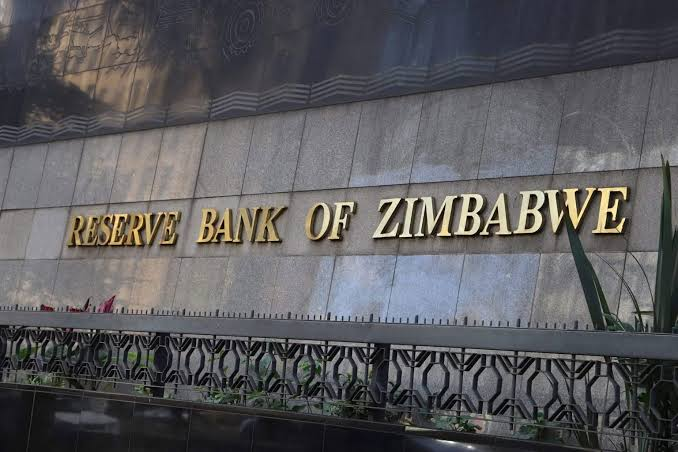
The Reserve Bank of Zimbabwe (RBZ) publishes a Framework for the Recognition of Payment Systems in Zimbabwe, issued in April 2016. The framework forms part of the regulatory material relevant to businesses seeking recognition for payment-system activities.
The licensing and recognition route will depend on the nature of the proposed service and the requirements applicable to the applicant. Businesses should consult the RBZ and obtain appropriate legal advice before commencing operations.
The source material for this article also identifies partnership with a locally authorised financial institution as an important consideration for non-bank providers. However, prospective applicants should confirm the current requirements directly with the RBZ rather than assume that the same arrangement applies to every business model.
Compliance remains essential
For companies planning to enter Zimbabwe’s payments market, the revised fees provide a starting point for assessing the cost of an application and ongoing licensing. Prospective applicants should confirm their regulatory classification, the applicable fee, the treatment of VAT, payment arrangements and any additional approval requirements before submitting an application.
As digital payments and mobile financial services continue to develop, understanding the regulatory framework will be important for businesses seeking to operate lawfully and sustainably in Zimbabwe. The full fee schedule is contained in Statutory Instrument 17 of 2025, published in the Government Gazette on February 28, 2025.

Zimbabwe payment service provider licence fees


Comments