

Zimbabwe’s Lithium Export Ban Explained: Why Global Markets Are Watching

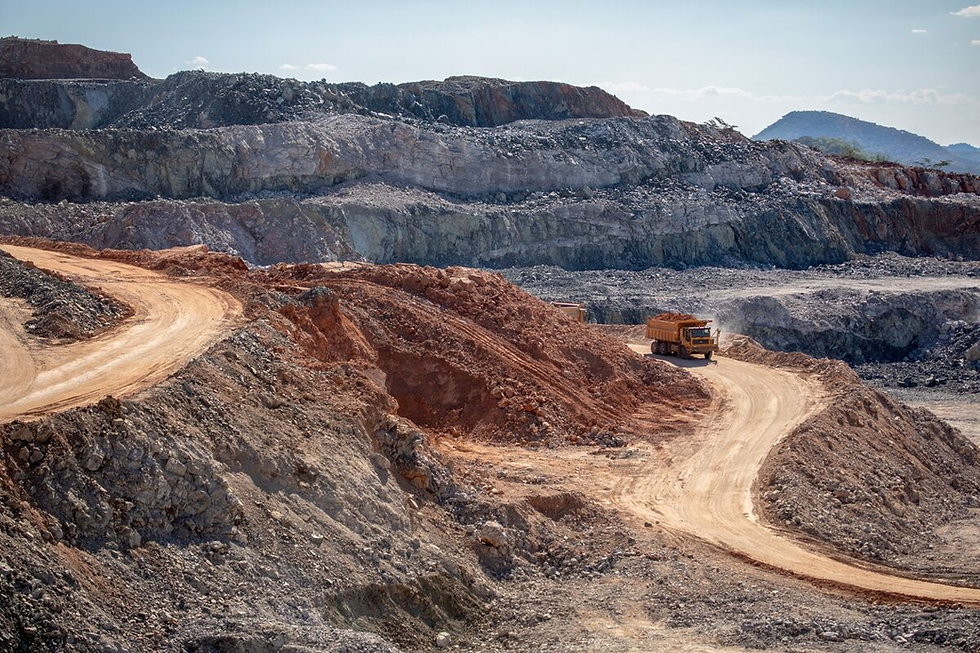
Zimbabwe has made a sudden move that could ripple through global markets: the government has immediately banned the export of raw lithium and lithium concentrates, including shipments already in transit.
At first glance, this may sound like a technical mining policy. In reality, it could tighten global lithium supply, influence future prices, and affect everything from electric vehicles (EVs) to battery storage systems.
What exactly did Zimbabwe do?
The Ministry of Mines announced that no raw minerals, including lithium concentrates, may be exported until further notice. Only companies with approved local processing and beneficiation capacity will be allowed to export finished or semi-finished products.
Third-party traders and export agents have been shut out entirely. The government will also test shipments to verify mineral content, with harsh penalties including loss of mining rights for non-compliance.
In simple terms: Zimbabwe wants its lithium processed at home, not shipped out raw.
Why lithium matters so much
Lithium is a critical ingredient in EV batteries, smartphones, laptops, and large-scale energy storage systems. Global demand is being driven by the energy transition, even as prices have struggled after a recent oversupply cycle. Zimbabwe has quietly become one of Africa’s most important lithium suppliers, exporting large volumes of spodumene concentrate, mainly to China for processing. Cutting off that flow even temporarily matters.
How big is the supply hit?
According to market analysts, Zimbabwe’s lithium mines can collectively produce up to 1.5 million tonnes of concentrate a year. The current export suspension could remove the equivalent of 6–7% of the expected global lithium supply in 2026.
That may not sound dramatic, but lithium markets are finely balanced. Even small supply disruptions can move prices.
Markets reacted fast
While physical lithium prices had not yet adjusted at the time of writing, investors moved immediately. Major global lithium producers saw their share prices jump, signalling expectations of tighter supply ahead. Australian lithium stocks followed, with producers and developers rallying as traders priced in a stronger market outlook.
This is typical in commodity markets: equities react first, prices follow later.
Why prices could rise from here
Lithium doesn’t need a massive shortage to rally. It simply needs:
Demand to stay steady (EVs and batteries are doing that)
Marginal supply to be disrupted (Zimbabwe just did that)
If Chinese battery makers and refiners begin competing for fewer raw materials, prices for spodumene and lithium carbonate could rise faster than expected.
The bigger picture
Zimbabwe’s decision reflects a broader trend across Africa and the Global South, resource nationalism and value addition. Governments want more jobs, skills, and revenue from their minerals, not just royalties from raw exports.
For global markets, this means supply chains are becoming more political, more localised, and less predictable.
Bottom line
What looked like a slow lithium recovery may be turning into something tighter and sooner than expected. Zimbabwe’s export ban is a reminder that in critical minerals, policy decisions can move markets as much as demand does.
Zimbabwe lithium export ban


Comments