

Zimbabwe to Ring-Fence Sugar Tax Revenue for Health Sector, Says Mombeshora

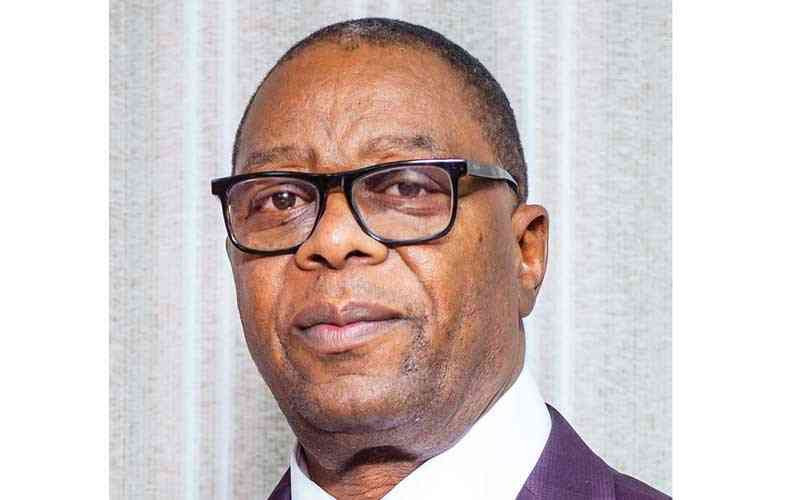
GENEVA, Switzerland — The Government has resolved to ensure that revenue collected through Zimbabwe's sugar tax, fast-food tax, and other health-related levies is ring-fenced exclusively for healthcare programmes, Health and Child Care Minister Douglas Mombeshora has said.
Speaking on the sidelines of the World Health Assembly in Geneva, Mombeshora said the move is aimed at addressing persistent funding gaps in Zimbabwe's public health system and ensuring that resources generated for health purposes are not diverted to other sectors. The minister said ring-fencing health taxes would provide a more sustainable source of funding for critical healthcare services, infrastructure development, and disease prevention programmes.
"Our plan now is to have monies that are meant for health programmes ring-fenced. The money is collected for health purposes, but if it is not ring-fenced, it can then be used for other things," said Mombeshora. "We think that has been the main problem for us, failing to get the money that is meant for health programmes."
The minister acknowledged that there had been resistance to the proposal but said President Emmerson Mnangagwa had endorsed both the introduction of health taxes and the principle that the proceeds should directly support healthcare delivery.
"There has been a bit of resistance, but I think we have got the support of our President, who has accepted that these taxes should be introduced and, secondly, that they must be linked to health programmes," he said. "If all this money were ring-fenced, we would not be worried at all because it would mean we still have that money available for health services."

Zimbabwe introduced taxes on sugary beverages and selected fast foods as part of efforts to combat the growing burden of non-communicable diseases (NCDs), including diabetes, hypertension, obesity, and cardiovascular diseases.
Health experts have warned that lifestyle-related illnesses are placing increasing pressure on Zimbabwe's healthcare system, with cases of diabetes and high blood pressure continuing to rise. The taxes were designed to achieve two objectives: discourage excessive consumption of unhealthy foods and drinks while generating additional revenue for public health programmes.
Despite the introduction of the levies, Mombeshora noted that fast-food outlets continue to expand across the country, suggesting that taxation alone may not be enough to change consumer behaviour.
"When the sugar tax was introduced and the fast-food tax, it was to try and discourage people from taking sugary drinks and also from going for these takeaways, pizzas and other fast foods," he said.
"But fast foods are proliferating. I think it is more a question of knowledge and awareness."
The minister stressed the need for stronger public education campaigns to promote healthier lifestyles and reduce the prevalence of preventable diseases.
"We need to educate parents and communities on healthy lifestyles," he said.
Health sector stakeholders have long advocated for dedicated funding streams to strengthen hospitals, improve access to medicines, recruit healthcare workers, and support disease prevention initiatives. If fully implemented, the ring-fencing of sugar tax revenue could provide a significant financial boost to Zimbabwe's health sector at a time when demand for healthcare services continues to grow. The move also aligns with broader government efforts to improve healthcare financing and build a more resilient public health system capable of addressing both communicable and non-communicable diseases.
Zimbabwe sugar tax revenue


Comments