

Zimbabwean youths call for easier access to safe abortion services, free sanitary pads and emergency contraceptives

MASVINGO – Zimbabwean youths have called for expanded access to sexual and reproductive health services, including safe abortion services, free sanitary pads, emergency contraceptives and condoms, arguing that high costs and limited access contribute to unsafe abortions, teenage pregnancies and cases of baby abandonment.
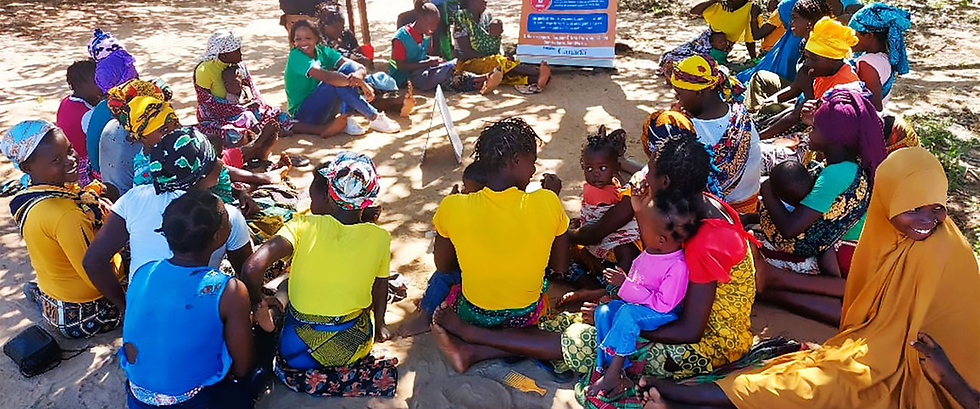
The calls were made during a Parliamentary Youth Caucus dialogue held at Mucheke Hall under the SADC Parliamentary Forum (SADC-PF) Sexual and Reproductive Health Rights, HIV and AIDS and Governance Project. The meeting brought together students, youth leaders, civil society organisations, local authorities and legislators to discuss challenges affecting adolescents and young people.
Speaking during the dialogue, Acknowledge Mawere from Bikita said women and girls seeking abortions should not be criminalised, arguing that restrictive laws can drive some people towards unsafe procedures or baby abandonment.
He referred to a recently reported case in Chikuku, Bikita District, where a newborn baby was allegedly abandoned, saying such incidents highlighted the need for broader discussions on reproductive health policy.
"Just recently, there was a case in Chikuku, Bikita, where a baby was found abandoned in a toilet. These are the realities we are facing," Mawere said.
"People often resort to unsafe abortions because they don't have access to these services. Others carry unwanted pregnancies to term and end up abandoning babies out of fear."
Another participant, Fadzai Makuwere, said discussions around abortion should acknowledge the realities facing many young people.
"Unwanted pregnancies resulting from mistakes should be terminated safely if the individual chooses to do so," she said.
"We often tell young people to abstain from sex, but the reality is that abstinence is not always effective."
Participants also appealed for wider access to menstrual hygiene products, condoms and emergency contraceptives, particularly for young people in rural and low-income communities. Bridget Marima urged authorities to expand the distribution of free sanitary pads, saying many girls continue to miss school because they cannot afford menstrual hygiene products. Several participants also called for emergency contraceptive pills, commonly known as the morning-after pill, to be made more accessible.
A participant from Mucheke Vocational Centre said the cost of emergency contraceptives remained beyond the reach of many young people.
"We need morning-after pills to be free in schools just like condoms. We only have access to condoms, but what about morning-after pills?" the participant said.
"We don't have that US$3 to buy morning-after pills, which may end up causing unwanted pregnancies."
Some youths also proposed that condoms be distributed more widely in communities, including at public transport ranks and other public spaces, rather than being available mainly at schools, health facilities and selected outlets.
Glen View South MP Tsitsi Tawomhera (ZANU PF), who participated in the dialogue, agreed that government should strengthen access to sanitary pads. She, however, distinguished between menstrual hygiene products and contraceptives. According to Tawomhera, menstruation is a natural biological process, while decisions relating to sexual activity involve personal choice, meaning the two should not necessarily be treated as identical public policy issues.
The dialogue forms part of ongoing regional efforts to improve access to sexual and reproductive health information and services for young people across Southern Africa.
In Zimbabwe, abortion remains largely restricted under the Termination of Pregnancy Act, which permits the procedure only under specific legal circumstances, including where the pregnancy endangers the woman's life, involves severe foetal impairment or results from offences such as rape, incest or unlawful intercourse, subject to the requirements of the law.
Participants at the meeting said continued dialogue between policymakers, healthcare providers and young people is essential to address teenage pregnancies, maternal health and access to reproductive healthcare.
Zimbabwe sexual and reproductive health


Comments