

ZIMCHE to assess Zambian universities amid surge in Zimbabwean medical students abroad

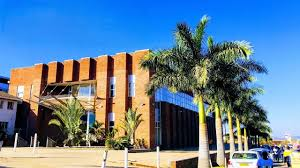
Officials from the Zimbabwe Council for Higher Education are set to travel to Zambia to evaluate the quality and credibility of academic programmes, following reports that more than 5,000 Zimbabwean students are studying medicine there. ZIMCHE Chief Executive Officer Kuzvinetsa Dzvimbo announced the move during an engagement with students at Bindura University of Science Education (BUSE), saying the initiative is aimed at safeguarding academic standards.
Dzvimbo said the assessment seeks to ensure that Zimbabwean students studying abroad return with qualifications that meet both regional and international benchmarks.
“There is a university in Zambia where about 5,000 Zimbabweans are studying medicine, so we want to make sure that when they come back, they will be accepted by the medical profession,” he said.
Higher education analyst Dr. Tendai Muchengeti said the move is timely.
“With increasing student mobility, regulators must verify the quality of foreign institutions to protect graduates and maintain professional standards,” he noted.
Beyond Zambia, ZIMCHE teams are also expected to visit universities in Uganda, Kenya, and Namibia as part of a broader regional quality assurance programme. The initiative aims to harmonise academic standards across Africa and ensure comparability of qualifications.
Dzvimbo said ZIMCHE routinely benchmarks degree programmes against institutions locally and internationally to ensure Zimbabwean graduates remain competitive.
According to ZIMCHE, universities seeking to introduce new degree programmes must demonstrate how their curricula align with established institutions at local, regional, and global levels.
“This involves detailed comparisons with universities across Southern Africa, the continent and beyond,” Dzvimbo said.
Programme evaluations are conducted by panels of associate and full professors drawn from Zimbabwe and abroad, including academics working in countries such as the United Kingdom and the United States.
Experts say the focus on medical programmes reflects the critical importance of maintaining high standards in health professions. Medical education consultant Dr. Nyasha Maramba said: “If graduates are not properly trained, it has direct implications for patient safety and the healthcare system as a whole.”
Zimbabwe has seen a growing number of students pursuing medical studies outside the country due to limited local training capacity and high demand for places.
Dzvimbo emphasised that Zimbabwe’s higher education quality assurance system is intentionally rigorous to ensure qualifications are internationally recognised.
“The approval process is demanding because we want our degrees to compare favourably with leading universities worldwide,” he said.
The planned assessments are expected to inform future policy decisions on recognition of foreign qualifications and help strengthen confidence in Zimbabwe’s higher education system.
ZIMCHE Zambia assessment



Comments