

African Recruits Duped into Russia’s War
- Southerton Business Times

- Sep 24, 2025
- 3 min read
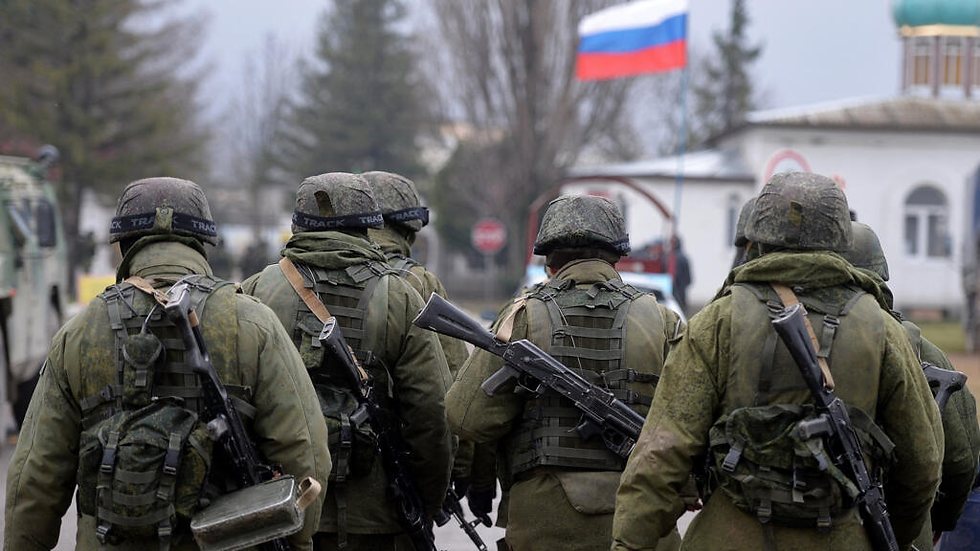
Kenyan athlete Evans Kibet is among dozens of Africans who say they were misled into joining Russia’s military campaign in Ukraine, rather than pursuing the jobs or studies they were promised.~
In a video released by Ukraine’s 57th Separate Motorised Infantry Brigade, the 36-year-old long-distance runner tearfully explained that he signed enlistment papers in Moscow believing they were employment contracts—only to find himself at a Russian front-line camp with orders to fight.
Kibet’s case is not isolated. Ukrainian officials estimate hundreds of foreign recruits—many from Africa—have been ensnared by similar schemes. “Some are deceived—promised jobs at factories or training positions—while others join voluntarily,” Ukraine’s prisoner-of-war spokesperson Petro Yatsenko told the BBC, noting that captured recruits include nationals of Somalia, Sierra Leone, Togo, Cuba and Sri Lanka.
“Very few are captured alive; most are either killed or seriously injured,” Yatsenko remarked, highlighting the deadly risks faced by duped recruits.
Deceptive Pathways to War
According to a May 2025 online report, Russia’s fast-track citizenship decree has been used to lure thousands of foreign nationals. Under the Kremlin order, any non-Russian who signs a one-year contract becomes eligible for immediate citizenship—an incentive that drew more than 600 Africans into Russian service by mid-2024, often under false pretences of technical or educational roles.
A 2024 ABC News investigation also found that Russia recruited young women from Uganda, Rwanda, Kenya and Nigeria for a so-called “work-study” programme in Tatarstan. Instead of hospitality training, about 200 recruits discovered upon arrival that they were assembling Iranian-designed attack drones for deployment in Ukraine. Recruits described constant surveillance, chemical exposure and wages far below what was promised.
“Social-media ads showed smiling interns touring European cities,” the ABC report noted. “But the reality was a heavily guarded factory floor, with little choice but to comply.”
Kibet reported a similar experience, saying his phone and passport were confiscated before being driven to a military camp.
Exploitation of Vulnerability
Criminologist Dr. Daniel Kosoy of the University of Pretoria says Russia’s recruitment of foreign fighters reflects “a tactic to offset manpower shortages without domestic mobilisations.” He argues that deception, not patriotism, is the cornerstone of such operations, preying on economic hardship and visa uncertainties in poorer countries.
Russia’s strategy dates back to January 2024, when President Vladimir Putin authorised contracts offering passports, residency permits and monthly wages of up to US$2,000. Investigative outlet The Insider reported that special-operations units target sub-Saharan Africa through online ads, community leaders and informal networks. Recruits often sign documents in Cyrillic—unreadable to many—before undergoing minimal training and deployment to Ukraine’s front lines.
African Governments Respond
The phenomenon has drawn concern from African governments. Kenya’s Foreign Affairs Principal Secretary Korir Sing’Oei confirmed that Nairobi is “keenly following information on three or four Kenyans allegedly trafficked to Russia and currently held as POWs”—a group that includes Kibet.
International law recognises that coerced combatants remain civilians until formally enlisted, meaning forced recruitment violates the Geneva Conventions. Still, few African states have robust repatriation frameworks. Togo has publicly denounced the recruitment of its nationals and warned citizens about overseas “study” offers that mask military contracts.
While some Africans have voluntarily joined armed groups—from South African volunteers in Wagner-linked outfits to Congolese fighters in Ukraine’s International Legion—those misled into combat lack ideological motives and risk being stigmatised as mercenaries upon return.
Kenya says it is working through diplomatic channels in Moscow and Kyiv to secure the repatriation of its citizens. Ukraine has indicated willingness to release Kibet if formally requested. Observers are now watching whether the African Union will push for a coordinated response or establish a repatriation fund for duped recruits.


Comments