

Activist Challenges Constitutional Amendment Bill No. 3, Seeks Referendum Before Key Changes Take Effect

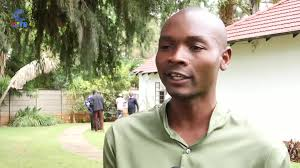
HARARE, Zimbabwe – A Zimbabwean human rights activist has approached the High Court seeking a declaration that key provisions of the proposed Constitution of Zimbabwe Amendment (No. 3) Bill cannot legally be enacted without approval through a national referendum, setting the stage for a potentially landmark constitutional battle.
Youngerson Matete, represented by Advocate Wilbert Mandinde of the Zimbabwe Human Rights NGO Forum, filed the application on May 26, arguing that Parliament cannot amend certain constitutional provisions without first obtaining the direct consent of Zimbabwean voters. The application cites the Parliament of Zimbabwe, President Emmerson Mnangagwa, Justice Minister Ziyambi Ziyambi, the Zimbabwe Electoral Commission (ZEC), and the Attorney General as respondents.
In his founding affidavit, Matete argues that his interest in the case is not merely academic but stems from his rights as a citizen, registered voter, and beneficiary of Zimbabwe's constitutional order. He contends that Parliament's authority to amend the Constitution is limited by constitutional safeguards, particularly those contained in Section 328, which governs constitutional amendments. According to court papers, Matete argues that any amendment process undertaken outside the requirements of Section 328 is unconstitutional and invalid.
Gazetted on February 16, the proposed Constitutional Amendment Bill No. 3 contains several far-reaching changes to Zimbabwe's governance framework. Among the proposals are:
Extending presidential, parliamentary, and local authority terms from five years to seven years.
Replacing direct presidential elections with an electoral system in which Members of Parliament elect the President.
Transferring voter registration functions from ZEC to the Registrar-General.
Establishing a separate Zimbabwe Electoral Delimitation Commission.
Abolishing the Zimbabwe Gender Commission.
Expanding Senate membership through additional presidential appointments.
The court application specifically targets Clauses 4, 9 and 10, which seek to extend the terms of elected office holders.
Matete argues that the clauses fall within constitutionally protected provisions and therefore require approval through a national referendum before they can become law. He says bypassing a referendum would undermine constitutional supremacy, democratic participation, and the sovereignty of Zimbabwean citizens.
"The failure to subject the proposed amendments to a referendum unlawfully deprives citizens of Zimbabwe of their constitutional right to participate directly in constitutional governance concerning entrenched constitutional provisions," the application states.
The activist has also raised constitutional questions under Rule 10(1) of the High Court Rules, asking the court to determine whether the proposed legislative process violates Sections 2, 3, and 328 of the Constitution.
Justice Minister Ziyambi has consistently rejected claims that Amendment Bill No. 3 requires a referendum. Speaking after the Bill was gazetted, Ziyambi argued that Section 328(6) only requires a referendum when proposed amendments affect provisions contained in Chapter 4 (Declaration of Rights) or Chapter 16 (Agricultural Land). He said the Bill does not amend presidential term limits under Section 91(2) or alter the protections contained in Section 328(7).
Former COPAC co-chairperson and ZANU-PF Politburo member Paul Mangwana has also defended the government's position, arguing that Parliament can amend constitutional provisions not specifically protected by referendum requirements, provided it secures the necessary two-thirds majority.
The debate has attracted criticism from legal and religious organisations. The Law Society of Zimbabwe (LSZ) told Parliament that Clauses 4, 9, and 10 could be inconsistent with both the Constitution and international legal standards if enacted without a referendum. Similarly, the Zimbabwe Catholic Bishops' Conference (ZCBC) argued that Section 328(7) was intentionally designed to prevent incumbents from benefiting from constitutional amendments that extend their tenure in office. The bishops warned that allowing Parliament to bypass entrenched constitutional safeguards could weaken constitutional supremacy and democratic accountability.
The draft order sought by Matete asks the court to declare Clauses 4, 9, and 10 constitutionally protected, prohibit their enactment without a referendum, and direct ZEC to organise a national vote should Parliament pass the contested provisions. Legal analysts say the case could become one of Zimbabwe's most significant constitutional challenges in recent years, with implications for electoral governance, presidential tenure, and the limits of Parliament's constitutional amendment powers. The High Court is yet to set a date for hearing the matter.
Constitutional Amendment Bill No. 3 Zimbabwe


Comments