

Debate over corporal punishment intensifies as indiscipline rises

By Staff Reporter — Harare, Zimbabwe
A growing number of educators in Zimbabwe are urging the government to reinstate corporal punishment in schools, citing a rise in indiscipline and drug use among learners, including those as young as 14. The call comes amid strong reminders from the Ministry of Primary and Secondary Education that the practice remains prohibited and that any breaches will attract sanctions.
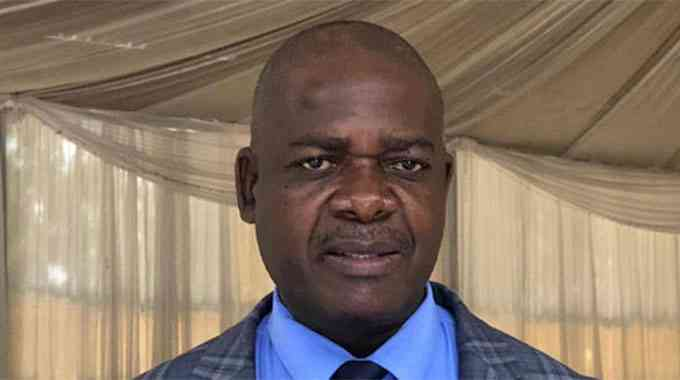
Dr Torerai Moyo, Minister of Primary and Secondary Education: “Let me remind you that corporal punishment is still outlawed. No learner should be beaten at school… Those who feel corporal punishment should be restored are free to petition Parliament, stating their reasons, but as of now, it is banned.”
Teachers’ frustrations and union responses
Representatives of teachers’ unions say the ban has left many educators feeling powerless in the face of escalating misconduct. Martin Chaburumunda, president of the Zimbabwe Rural Teachers Union (ZRTU), said teachers are struggling to maintain order in classrooms. Charles Musembwa, Progressive Teachers Union of Zimbabwe (PTUZ) Manicaland provincial coordinator, argued that removing corporal punishment without providing effective alternatives has contributed to rising indiscipline and risky behaviours among learners.
Union leaders emphasise that classroom management has become more difficult and that teachers need stronger tools and support to address disruptive behaviour.
Scale of the problem: drugs and risky behaviour
Research cited by advocacy groups points to worrying trends. The Anti‑Drug Abuse Forum (ADAF) reports that about 43% of high‑school learners have either used or come into contact with illegal drugs since 2017. ADAF executive director Collin Mapfumo said some youths turn to drugs to cope with personal challenges or as a source of income, compounding disciplinary and welfare concerns for schools.
Government stance and alternatives
Despite pressure from some educators, the government has reiterated its prohibition on physical discipline. Minister Moyo urged headmasters to identify learners involved in drug use and to apply appropriate remedial measures within the law. He also encouraged those who favour a policy change to pursue it through parliamentary channels rather than taking unilateral action.
Many education stakeholders advocate for non‑physical disciplinary approaches. These include:
Mentorship and counselling to address the underlying causes of misbehaviour.
Strengthened school‑based support systems, including guidance counsellors and social‑work referrals.
Community and parental engagement to reinforce discipline and address out‑of‑school influences.
Targeted interventions for at‑risk learners, including substance‑abuse prevention and rehabilitation programmes.
Proponents of modern disciplinary methods argue these approaches protect learner dignity, reduce the risk of abuse, and address root causes rather than symptoms.
The debate’s wider implications
The controversy highlights a broader tension in Zimbabwe’s education system: balancing learner rights and safety with the need to maintain order and a conducive learning environment. Critics of corporal punishment warn that reinstating physical discipline risks normalising violence and undermining long‑term behavioural change. Supporters counter that current measures are insufficient and that schools need effective, enforceable tools to deter serious misconduct.
What Next
Education authorities, unions, and community stakeholders face a complex policy choice. Any move to change the legal status of corporal punishment would require parliamentary debate and careful consideration of alternatives, safeguards, and implementation mechanisms. Meanwhile, the ministry has urged schools to prioritise counselling, early identification of at‑risk learners, and collaboration with parents and social services to address the underlying drivers of indiscipline.
corporal punishment Zimbabwe schools


Comments