

Illegal gold rush in Ethiopia described as ‘a crisis of colossal scale’
- Southerton Business Times

- Nov 20, 2025
- 2 min read

An explosive investigation has described Ethiopia’s post-war gold boom as “a crisis of colossal scale,” alleging that a fast-growing illegal mining economy is tearing communities apart, poisoning land and water, and enriching armed actors and foreign intermediaries. Reporters working with The Bureau of Investigative Journalism (TBIJ) detail how rampant, unregulated extraction in parts of Tigray has accelerated since hostilities eased, with smuggling networks and local powerbrokers profiting as gold prices surged.
The exposé alleges collaboration between former combatant networks, local security figures and foreign financiers, creating a shadow industry where environmental damage and social harm go unchecked. Communities near major deposits reportedly face cattle deaths, polluted waterways and degraded farmland, while the profits move through opaque channels. The reporting highlights how the absence of effective oversight compounds the risks to civilians and undermines formal recovery in post-conflict areas.

Additional accounts point to former rebel structures morphing into commercial rackets, leveraging wartime logistics and influence to control sites and routes. Analysts say the resulting nexus—blending local coercion, cross-border brokers and opportunistic investors—has entrenched a cycle of violence and extraction. The dynamic is said to sit uncomfortably alongside legally licensed operations, including concessions near Tigray’s Mato Bula and Da Tambuk mines, where access is tightly controlled even as illicit flows reportedly expand around them.
The investigation underscores a wider governance challenge: how to restore state control, environmental regulation and transparent trade in regions where armed groups and informal networks now dominate economic life. Observers argue that any credible response requires coordinated law enforcement, community-centred remediation and formalisation pathways for artisanal miners, coupled with independent monitoring to trace supply chains and deter predatory actors.
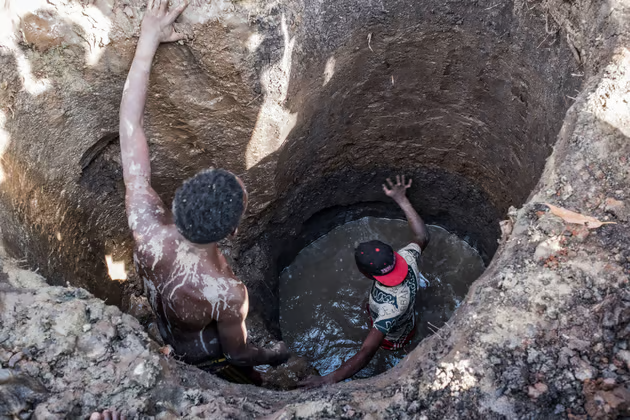
Videos and social media content amplifying the crisis have circulated widely, showing polluted streams, makeshift pits and the heavy presence of armed guards at informal sites. While not a substitute for formal documentation, the visual material has heightened public pressure for accountability and policy action at regional and federal levels.
Experts caution that re-establishing legal oversight will be complex, demanding careful sequencing: stabilisation, environmental clean-up, legal alternatives for livelihoods and credible market channels for responsibly sourced gold. Without that, the illicit trade’s incentives—quick cash, weak enforcement and global demand—will continue to outpace the state’s capacity to protect people and the land.


Comments