

Labour Shortages Hit South African Farms as Migrant Worker Exodus Deepens
- Southerton Business Times

- 19 minutes ago
- 3 min read

By Southerton Business Times | Harare
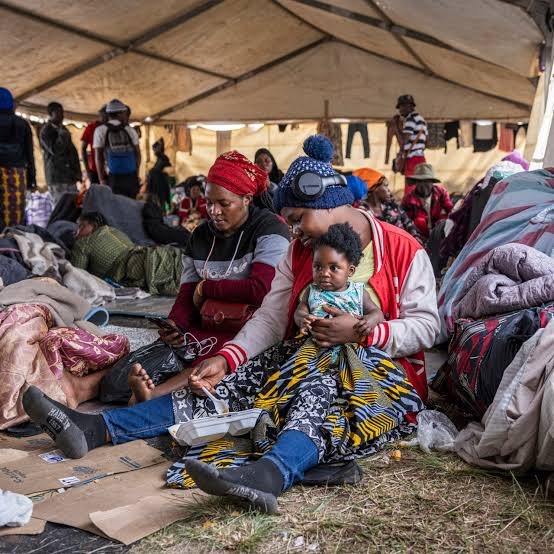
South Africa's agricultural and manufacturing sectors are facing growing labour shortages after the departure of more than 160,000 foreign nationals, many of them Zimbabweans, amid anti-immigration protests and intensified immigration enforcement. The exodus, which followed an unofficial 30 June 2026 deadline set by anti-illegal immigration groups for undocumented migrants to leave the country, has left farms, factories and households struggling to replace experienced workers.
Zimbabwean farmworker Aaron Majatamhe, who works in one of South Africa's leading citrus-producing regions, said farmers are already feeling the impact.
"I see a lot of farm owners who are crying now... people have to harvest those naartjies, but there is no one," Majatamhe told AFP.
He warned that the labour shortage is also threatening the country's wine industry.
"It's time to cut off the grapes, and there is no one."
Zimbabweans Among Thousands Leaving South Africa
According to an AFP tally based on figures released by African governments repatriating their citizens, more than 160,000 migrants have left South Africa in recent weeks. Zimbabwe accounted for the largest share of those returning, with authorities saying many had been employed in agriculture, construction and domestic work.
The first signs of disruption emerged in KwaZulu-Natal's sugar industry, where one farmer said he had lost as much as 80% of his cane-cutting workforce almost overnight.
"Production and supply have deteriorated to the point where it is going to be difficult for the mills to stay open," the farmer said on condition of anonymity.
Another grower near Mid-Illovo, south of Durban, said labour shortages had delayed harvesting operations.
"There are fields we are supposed to be cutting, but there are just not enough people. Local people don't like this job because it is back-breaking and physical," he said.
Labour Unions Reject Employers' Claims
Labour unions have disputed claims that South Africans are unwilling to work on farms. With South Africa's official unemployment rate exceeding 33%, unions argue that employers often prefer migrant workers because they are more vulnerable to exploitation and willing to accept lower wages and poorer working conditions. Patrick Williams, a local organiser for the Commercial, Stevedoring, Agricultural and Allied Workers Union, said foreign workers were frequently underpaid and denied basic labour protections.
"They are making a profit out of foreign nations," Williams said.
He alleged that migrant farmworkers often worked seven days a week, skipped meal breaks to maximise piece-rate earnings and, in some cases, earned below South Africa's national minimum wage.
Factories Also Feel the Impact
The labour shortages have extended beyond agriculture. In Durban's Chatsworth industrial area, a clothing factory manager said the departure of experienced machinists from Malawi and Mozambique had affected production schedules.
"We can barely meet our targets because most were forced to go," she said, noting that training replacement workers would take time.
Government Weighs New Labour Measures
The South African government has adopted a "locals first" employment approach while acknowledging that several industries continue to depend on migrant labour. This week, authorities expanded the Trusted Employer Scheme, which fast-tracks work visas for qualifying companies that primarily employ South Africans, invest in skills development and operate in priority economic sectors. Agricultural organisations are now calling for the introduction of a regulated seasonal worker programme for migrants from the Southern African Development Community (SADC).
Siyabonga Madlala, Chief Executive Officer of the South African Farmers Development Association, said a structured seasonal labour system would help address workforce shortages.
"There may be a need for a special dispensation allowing seasonal labour from SADC countries where local supply is insufficient," he told Newsroom Afrika.
More than 60% of South Africa's immigrant population is estimated to originate from SADC member states.
Fear and Uncertainty Remain
For many migrants, concerns over safety have outweighed employment opportunities. Police data indicates that at least four foreign nationals have been killed during recent anti-migrant violence. Zimbabwean national Wayne Chimbadzwa Mutasa, who had lived in Robertson since 2014, said he decided to leave after foreign nationals were allegedly targeted during door-to-door immigration raids.
"The people who came into the houses of Zimbabweans were police officers saying that you are living here illegally," he told AFP.
Majatamhe, however, said financial constraints had forced him to remain despite growing fears.
"We are afraid to stay even in this place, but the problem is, we don't have enough money to go home."
The labour shortages are expected to intensify as South Africa enters peak harvesting periods, raising concerns over agricultural output, food supply chains and the long-term availability of skilled seasonal workers.

South Africa migrant worker exodus


Comments