

South Africa blames “misgovernance” for migrant influx amid rising protests


The South Africa government has attributed the growing influx of undocumented migrants to governance challenges in parts of the continent, as the country grapples with a renewed wave of anti-migrant protests. The demonstrations, which began in late April 2026 and have continued into May, have spread across major urban centres including Johannesburg, Pretoria, Durban, and Cape Town, as well as townships such as Thembisa and Braamfontein.
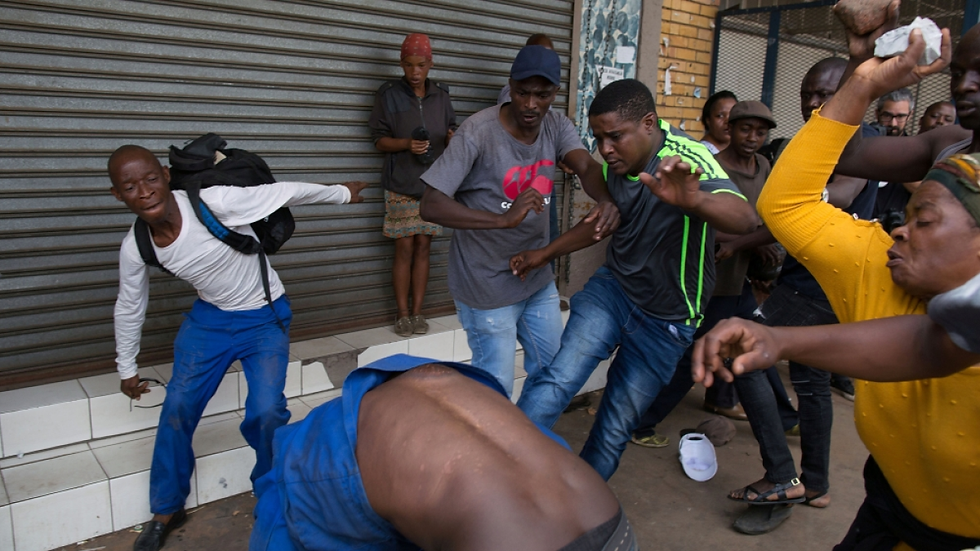
The protests, largely targeting undocumented foreign nationals, have been marked by sporadic violence, forced shop closures, and rising diplomatic tensions between South Africa and other African countries.
Demonstrators are calling for:
mass deportations of undocumented immigrants,
stricter border controls and visa regulations,
and enforcement action against businesses employing illegal foreign workers.
Some businesses owned by foreign nationals have reportedly shut down temporarily due to safety concerns.
Presidential spokesperson Vincent Magwenya said while South Africa condemns violence, African governments must also address the conditions driving migration.
“Issues of conflicts, issues of instability, and in some areas, if we’re being honest, the misgovernance that causes people to migrate in large numbers and seek refuge in different parts of the continent, including South Africa,” Magwenya said.
He added that responses from other African nations should go beyond condemnation of the attacks.
“The condemnations that we’ve had coming from different quarters on the continent should not just end in condemnations, but there should also be a willingness to constructively engage on what these root causes are,” he said.
South Africa, Africa’s most industrialised economy, has long been a destination for migrants seeking better economic opportunities, employment, and stability. Migration analyst Dr. Lindiwe Mahlangu said economic disparities across the region continue to drive movement into South Africa.
“People migrate because of a combination of economic hardship, governance challenges, and lack of opportunities in their home countries,” she said.
However, she warned that rising unemployment and inequality within South Africa itself are intensifying tensions between locals and migrants.
The latest unrest has triggered concern across the region, with some governments calling for the protection of their citizens living in South Africa. Analysts say the situation underscores the need for coordinated regional solutions involving economic development, governance reforms, and migration management. Political analyst Professor Sipho Ndlovu said the issue cannot be solved by enforcement alone.
“You cannot police migration without addressing why people are moving in the first place. It requires regional cooperation and long-term policy alignment,” he said.
Authorities in South Africa have urged calm and warned against vigilante action, stressing that immigration enforcement should be left to law enforcement agencies. As protests continue, the debate over migration, governance, and economic inequality is expected to remain a central issue in regional politics.
South Africa migrant protests


Comments