

Nhunguru Fruit Health Benefits: The Nutritional and Medicinal Value of Zimbabwe's Indigenous Fruit

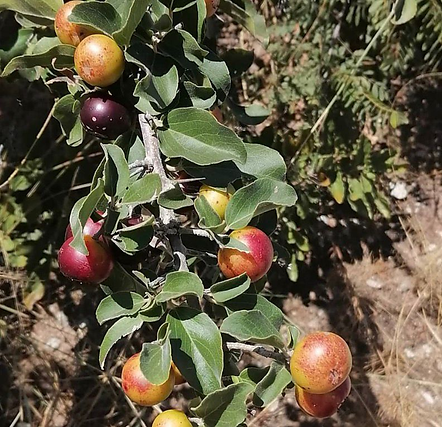
Today we are featuring an indigenous Zimbabwean fruit, the nhunguru fruit, that actually makes my mouth feel dry. I was excited to come across it on the streets of Harare recently. Just like people, some of the tiny purple-like treasures were sweet, whilst some were so bitter. In spite of this, I continued to indulge. I then decided to investigate more about this tiny forest delight.
The nhunguru fruit (scientifically known as Flacourtia indica), commonly called the Governor's plum or Madagascar plum, Batoko plum or Indian plum, is a wild edible fruit native to tropical Africa, including Zimbabwe and Asia. It is commonly known for its sweet-tart flavor and potent medicinal and nutritional properties.
Health Benefits of Nhunguru Fruit

• Rich in Antioxidants: Nhunguru is loaded with vitamin C and phenolic compounds that neutralize free radicals, mitigating oxidative stress and potentially reducing the risk of chronic diseases.
• Digestive Support: Nhunguru has traditional use as a mild laxative and carminative to help relieve bloating, indigestion, and constipation.
• Immune & Blood Health: Regular consumption provides precious vitamins (like A, C, and E) and minerals (such as iron and calcium) which help build up the blood and boost the immune system. I would recommend it for those pursuing boxing or karate to eat loads of Nhunguru.
• Anti-inflammatory & Antimicrobial: Lab studies indicate that the plant's extracts possess anti-inflammatory properties and can inhibit harmful bacteria like E. coli and Salmonella.
• Traditional Medicinal Use: Nhunguru has been a loyal rural pharmacy for many generations. In many traditional and folk medicine practices, different parts of the plant (including roots, leaves, and bark) are used to treat conditions ranging from cancer, fevers and respiratory infections, skin ailments, abscess, bleeding disorders like nose bleeds, jaundice and pneumonia. Snake bites are also said to be treated by nhunguru bark and leaves. The bark is also used to treat arthritis. The roots are used for nephritic colic and gum is said to treat cholera.
Nutritional Profile of Nhunguru Fruit
Nhunguru is low in fat but dense in energy. When consumed, it provides essential dietary fiber and important minerals like potassium and sodium, which help in maintaining electrolyte balance and regulating blood pressure.

Disclaimer: While nhunguru provides excellent nutritional value and has a rich history in traditional medicine, it is always recommended to consult a healthcare professional before relying on plant remedies for specific medical conditions.
Dr Precious Sibiya, a mother, sister, daughter, friend and so much more. She is a certified Wellness Practitioner, stroke survivor and advocate for natural healing and lifestyle.
Contact her for more Wellness insights:
Email: precioussibiya2014@gmail.com+263775369467


Comments