

Parirenyatwa commissions heart‑lung machine and performs first bypass

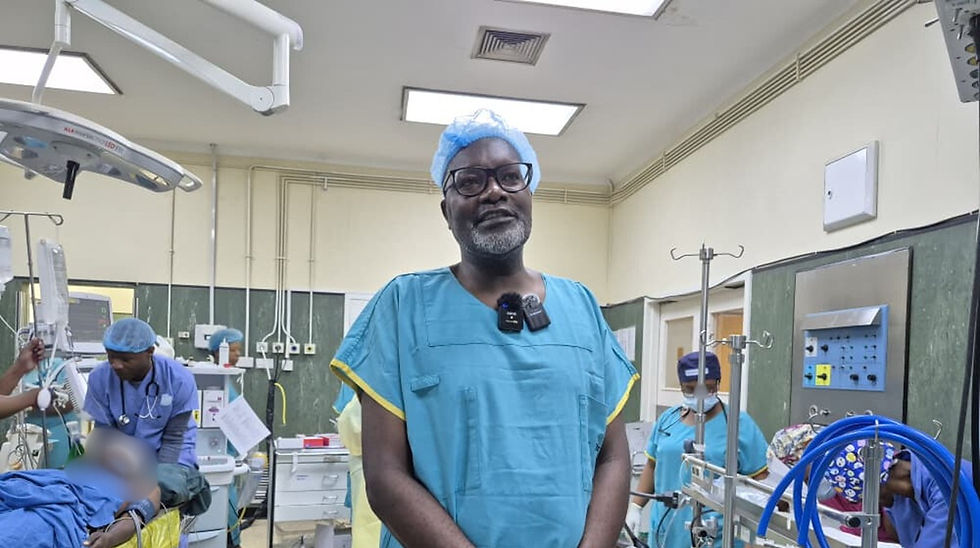
HARARE — Parirenyatwa Group of Hospitals has successfully used a newly acquired heart‑lung bypass machine for an open‑heart operation, a development that significantly strengthens Zimbabwe’s public cardiac surgery capacity and reduces dependence on ageing equipment.
The Government‑procured S5 heart‑lung machine was formally commissioned on Tuesday and immediately deployed in a live surgical case. The surgical team observed a brief moment of prayer before the operation, reflecting the seriousness of the procedure and the symbolic importance of the upgrade for the national health system. The commissioning patient marked the first clinical use of the machine at Parirenyatwa.
Dr Simukayi Percy Machawira, Specialist Cardiovascular and Thoracic Surgeon, described the S5 as a modern, stocked unit fitted with six pumps. Compared with the older apparatus the unit had relied on for nearly two decades, the new machine offers improved efficiency, better haemocompatibility, and reduced trauma to blood and blood products during cardiopulmonary bypass. Dr. Machawira said the device has an expected operational lifespan of 10 to 15 years, extendable with routine refurbishment, and should eliminate the frequent interruptions that previously forced surgeons to pause procedures.
Since cardiac services resumed in 2023, Parirenyatwa’s team has performed about 92 open‑heart operations. With the new bypass machine, clinicians expect to scale up activity, potentially performing one to two operations per day under normal scheduling. The hospital also plans a surgical camp to deliver up to 10 operations per week, which would expand access for patients who previously faced long waiting lists or the expense of seeking treatment abroad.
The heart‑lung machine is one element of recent government investments in specialised hospital equipment, which include dialysis units, CT scanners, and other surgical tools. Health officials say these acquisitions aim to reduce medical tourism, lower out‑of‑pocket costs for patients, and build local capacity for complex procedures.
For the surgical team, the successful commissioning represents years of training and perseverance. For patients and families, it offers renewed hope that advanced, life‑saving cardiac care can be accessed locally. Hospital administrators emphasise that equipment alone is not enough: sustained improvements will require ongoing staff training, maintenance budgets, and reliable supply chains for consumables.
Parirenyatwa’s milestone demonstrates that high‑complexity cardiac surgery can be expanded within Zimbabwe’s public health system. Continued government support, operational planning, and investment in human resources will determine whether this initial success translates into sustained, broader access to cardiac care nationwide.
Parirenyatwa; heart‑lung machine first surgery; open heart surgery Harare


Comments