

PTUZ Urges Zimbabwe to Embrace Zambia’s Free Education and Pension Reforms

HARARE — The Progressive Teachers Union of Zimbabwe (PTUZ) has called on the Zimbabwean government to draw lessons from neighbouring Zambia, where recent legislative reforms have entrenched free education as a legal right and strengthened social protection measures for millions of citizens.
The call follows the signing into law of several landmark reforms by Zambian President Hakainde Hichilema, including the Education Amendment Act of 2026, which guarantees free education in public schools and prohibits the exclusion of learners based on their inability to pay school fees. The legislation formally enshrines into law a free education policy that Zambia introduced in 2021, expanding access to schooling and reinforcing the right to education for all children.
In addition to education reforms, Hichilema signed four pension-related laws designed to improve retirement benefits and social security coverage. The measures include increasing minimum pension payments, allowing partial lump-sum withdrawals for thousands of retirees, and enhancing pension savings for more than 1.2 million members of the National Pension Scheme Authority (NAPSA).
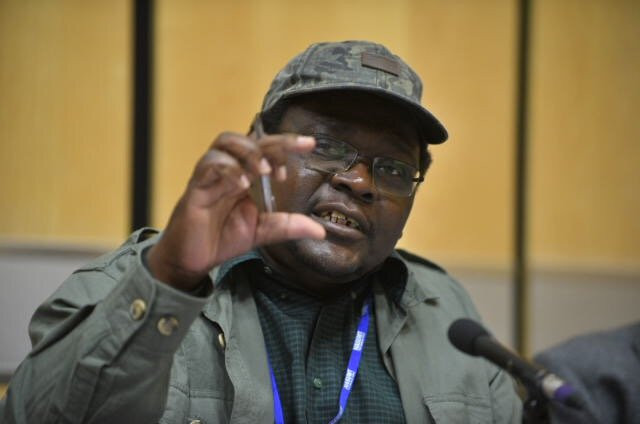
PTUZ president Takavafira Zhou welcomed the reforms, describing them as a model that Zimbabwe should consider adopting to improve educational access and social welfare.
“The Education Act now guarantees free education in schools in Zambia, strengthening the policy introduced by President Hakainde Hichilema into a legal right,” Zhou said.
“In Zimbabwe, free and compulsory education for children has remained elusive since 1980, while access to higher and tertiary education is increasingly becoming the preserve of the wealthy.”
Zhou argued that Zambia's experience demonstrates that governments can prioritise education and social protection through legislative action.
“If Zambia did it, Zimbabwe can also do it. We therefore need to draw lessons from Zambia and implement free and compulsory education in Zimbabwe,” he said.
The PTUZ leader said rising school fees and the increasing cost of tertiary education continue to place significant pressure on Zimbabwean families, particularly those from low-income households.

Education stakeholders have repeatedly raised concerns that economic challenges are making it harder for some learners to remain in school, despite constitutional provisions recognising the right to education. Zhou said guaranteeing free and compulsory education through legislation would help ensure that no child is denied access to schooling because of financial constraints.
The Zambian president recently signed five Bills into law: the Education Amendment Bill 2026, the National Pension Scheme Bill 2026, the Public Service Pensions Bill 2026, the Pensions Scheme Regulation Amendment Bill 2026, and the Local Authorities Superannuation Bill 2026. The reforms are part of a broader agenda aimed at improving access to education, strengthening retirement security, and expanding social protection coverage.
According to Zhou, Zimbabwe could benefit from adopting similar policies as part of efforts to improve governance and promote inclusive development.
“Taking a cue from Zambia will go a long way towards responsible governance and act as a bulwark against the pursuit of egocentrism and hegemonic power,” he said.
The call comes as debate continues over education funding, social welfare, and economic reforms across the region, with education unions increasingly advocating for policies that improve access to quality education and reduce inequality.
Zimbabwe free education reforms


Comments