

Sorry for Being Born This Way


I have said sorry more times than I can count for a body I did not choose.
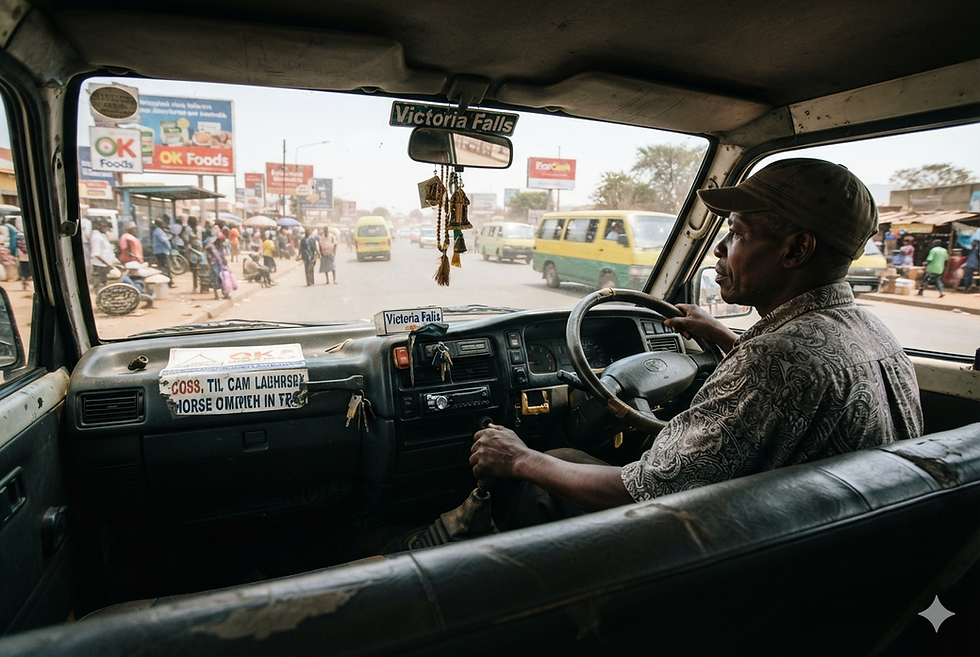
I say it to the conductor when I climb into a commuter omnibus and my legs will not move at his speed. I say it to the stranger on the pavement who watches my limp point one way while I go another, and decides I am drunk before he decides I am disabled. I say it in interview rooms, after I have answered every question correctly, and watched the panel's eyes drift toward the door, calculating how long it will take me to walk through it.
Nobody asks me to apologise. I do it before they can ask.
I am forty-six years old. For the first sixteen years of my life, the people around me never made me feel different. It is the thirty years since that taught me to say sorry first, so it feels like your idea before it becomes theirs.
I have several degrees. I have applied for jobs that name people with disabilities in the advertisement, that quote the Disabled Persons Act. Silence comes back more often than a rejection letter does.

The tests that fail me are not intelligence tests. I fail the ones nobody admits to giving: How fast can you cross this room? How do you look standing at the front of the office?
I am not writing this for sympathy. Give a disabled man pity and you have discharged your obligation to him. You have not given him a job, a seat on the board, or a shortlist interview that isn't a formality. Real disability inclusion in Zimbabwe requires systemic change, not performative charity.
I say this as a man who has been given a chance, and does not forget it.
The Zimbabwe National Family Planning Council gave me a chance. ZBC gave me a chance. Midlands State University gave me a chance. Great Zimbabwe University gave me a chance. Communities from Marondera to Mazowe trusted me with radio dreams that were theirs before they were mine.
Those opportunities did not make me less disabled. They simply allowed my abilities to become more important than my disability.
That is the difference opportunity makes.
There are young people with disabilities right now watching how this country answers them. Some are finishing degrees. Some are standing at bus stops, working up the courage to board. Some are preparing for interviews knowing that, before they say a word, someone may already have decided what they cannot do.
They do not need pity.
They need equal opportunity, extended to them without a fight for it.
They need employers to look beyond the limp. They need public transport that does not treat disability accessibility as an inconvenience. They need buildings designed for their presence, not modified reluctantly after they complain. They need institutions that understand that disability rights and inclusion are not charity.
And perhaps most importantly, they need to stop learning the apology I learned.
A disability is not an offence.
I should not have to apologise because I walk differently. I should not have to apologise because I take longer to climb stairs. I should not have to apologise because the world was designed around bodies that move differently from mine.
The burden should not always be on the disabled person to prove that they deserve to be included.
Zimbabwe has laws, policies and institutions that speak the language of inclusion. But true inclusion in Zimbabwe cannot live in legislation alone. It has to be visible in the person hired, the building entered, the bus boarded, the meeting attended and the voice heard.
We must stop congratulating ourselves for giving disabled people opportunities that should never have required exceptional courage to access in the first place.
I have spent thirty years learning to say sorry.
I think I have apologised enough.
What I want now is a country where a child with a disability grows up knowing that their body may require accommodation, but their existence requires no apology.
That is what I am asking Zimbabwe for.
Not pity.
Not sympathy.
Not another promise.
Will.
Because sorry is not an accommodation.
It is what we say when the accommodation never comes.
Simbarashe Namusi is a media expert writing in his personal capacity.

Disability Inclusion in Zimbabwe


Comments