

TOWARD MONO-CURRENCY: RBZ Outlines Long-Term Strategy to Phase Out USD for Domestic Retail


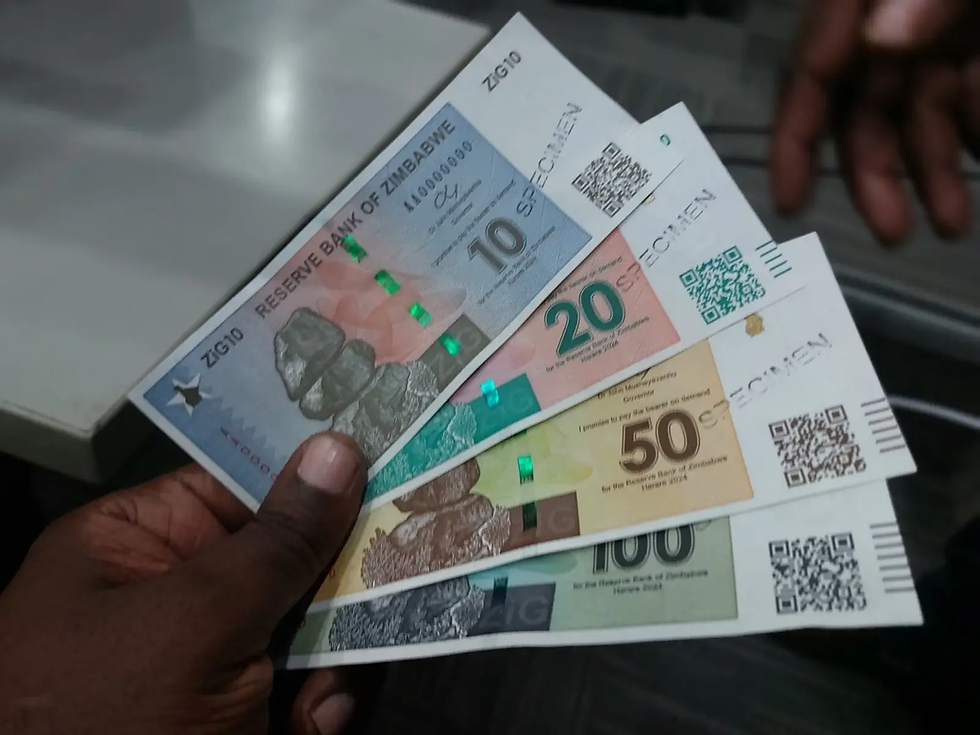
HARARE — The Reserve Bank of Zimbabwe (RBZ) has signaled a significant strategic shift toward restoring full monetary sovereignty, outlining a long-term roadmap that would eventually see the U.S. dollar phased out for everyday domestic transactions. Speaking at the Zimbabwe Impact Investment Dialogue on Tuesday, RBZ Deputy Governor Innocent Matshe detailed the central bank’s vision to transition toward a single-currency regime anchored by the Zimbabwe Gold (ZiG). The forum, which was hosted by the United Nations Development Programme (UNDP) and the Zimbabwe Investment and Development Agency (ZIDA), served as the platform for the central bank to clarify its long-term stance on dollarization.
Deputy Governor Matshe was careful to manage expectations regarding the timeline, emphasizing that the move away from the U.S. dollar would be a slow, phased process rather than an overnight shift. “Not soon, but one day,” Matshe stated, noting that the ZiG has already demonstrated resilience, having gained approximately 2.5% in value over the past three months.
Under the envisaged framework, the central bank aims to preserve the utility of foreign currency where it is most needed for the economy, while restricting its use in local retail environments. Key features of this proposed long-term transition include:
Retail Restriction: The eventual discontinuation of U.S. dollar cash for routine domestic purchases, such as in supermarkets.
Preservation of FCAs: Foreign currency accounts (FCAs) would remain active, allowing both businesses and individuals to hold and transact in foreign currency where necessary.
Commitment to Obligations: There will be no forced conversion of existing foreign currency balances. Furthermore, foreign-denominated obligations, including registered loans, will continue to be honored in their original currency.
Support for Trade: Importers will retain access to foreign exchange through formal banking channels to ensure continued commercial viability.
The push for a mono-currency system is driven by the belief that long-term economic development cannot be sustained while relying on a foreign currency.
“No country can develop using another country’s currency,” Matshe remarked.
He acknowledged the lingering skepticism among the public and the business community, which is deeply rooted in historical episodes of currency volatility and inflation, but stressed that policy consistency is the only pathway to rebuilding trust. For Zimbabwe, which has relied on the U.S. dollar for more than a decade, the shift is viewed as an essential step toward reducing dollarization pressures and creating a more predictable financial environment for domestic planning and investment.
Policymakers at the dialogue emphasized that for this vision to materialize, the government must prioritize transparency and consistency. As the RBZ moves toward this goal, the focus remains on enhancing the ZiG’s stability and utility, ensuring that when the transition eventually accelerates, the local currency is ready to serve as the primary store of value and medium of exchange for the nation.
RBZ ZiG mono-currency strategy


Comments