

WHO Declares Ebola Outbreak in DRC and Uganda a Global Health Emergency as Bundibugyo Virus Spreads

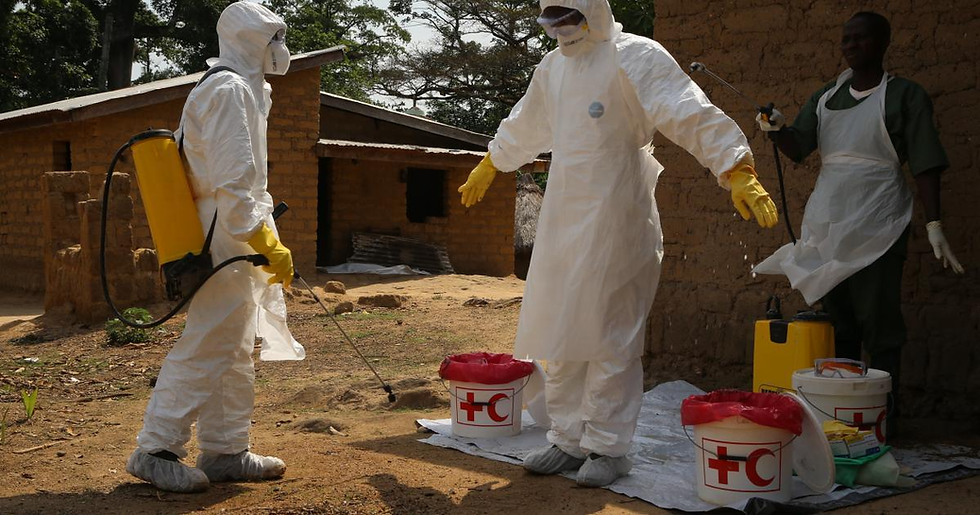
The World Health Organization has declared the latest Ebola outbreak in the Democratic Republic of the Congo and Uganda a Public Health Emergency of International Concern (PHEIC), warning that the rare Bundibugyo strain poses a serious regional threat amid rising infections, healthcare worker deaths, and cross-border transmission.
WHO confirmed the emergency declaration on May 16, 2026, saying the outbreak does not yet meet the threshold for a pandemic emergency under the International Health Regulations (2005), but requires urgent international coordination and intensified surveillance.
According to WHO situation reports, the outbreak has already resulted in:
Eight laboratory-confirmed Ebola cases
246 suspected infections
80 suspected deaths in Ituri Province, eastern DRC
Two confirmed imported cases in Kampala, Uganda, including one death
The outbreak is affecting the Bunia, Rwampara, and Mongbwalu health zones in Ituri Province, with additional suspected cases under investigation in North Kivu. Ugandan authorities confirmed both infected patients had recently travelled from the DRC before being admitted to intensive care facilities in Kampala. WHO also revealed that at least four healthcare workers died after showing symptoms consistent with viral haemorrhagic fever, raising concerns over infection prevention failures and undetected community transmission.
Health experts say the outbreak is particularly concerning because it involves the rare Bundibugyo strain of Ebola virus, which currently has no approved vaccine or licensed treatment.
“The critical difference this time is that there are no approved vaccines or therapeutics for Bundibugyo virus,” the WHO said in its risk assessment.
The Bundibugyo strain was first identified in Uganda in 2007 and has only caused a handful of outbreaks globally. Unlike the Ebola-Zaire strain, which has licensed vaccines and treatments, response efforts against the Bundibugyo virus rely heavily on supportive care, rapid isolation, contact tracing, and infection control measures.
WHO warned that insecurity, armed conflict, population displacement, and porous borders in eastern DRC are complicating containment efforts. The outbreak is believed to have originated in the Mongbwalu health zone, a high-traffic mining area with significant movement between DRC, Uganda, and South Sudan.
“The movement of people and trade across borders significantly increases the risk of regional spread,” said WHO.
Public health specialists also fear the true scale of infections may be far larger than currently recorded due to delayed detection and weak surveillance systems. Reuters reported that the high positivity rate in initial laboratory samples suggests extensive undetected transmission may already be underway.
WHO said rapid response teams, laboratory support, treatment centres, and cross-border surveillance systems are being strengthened in both countries. The organisation urged neighbouring African countries to improve preparedness and monitor travellers from affected regions, although the WHO currently does not recommend travel or trade restrictions.
The European Centre for Disease Prevention and Control said the immediate infection risk for Europe remains low but warned that the situation remains highly fluid. Health experts continue urging communities to avoid direct contact with infected individuals, report symptoms early, and follow public health guidance as authorities race to contain the outbreak before wider international spread occurs.
Ebola outbreak 2026


Comments