

ZANU PF Youth League Rebukes Wicknell Chivayo Over US$3.6 Million Parliament Donation Proposal

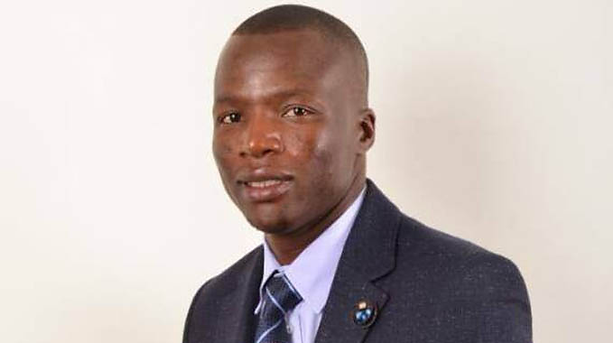
Harare – The ZANU-PF Youth League has publicly criticised businessman Wicknell Chivayo over his pledge to donate US$3.6 million to Parliament, warning that such a move risks undermining the integrity of State institutions. Chivayo announced on 18 April 2026, during Zimbabwe Independence Day, that he intended to channel the funds through the Speaker of Parliament for constituency development. Under his proposal, each of the country’s 360 legislators would receive US$10,000, regardless of political affiliation. He claimed the initiative had the backing of President Emmerson Mnangagwa, framing it as a contribution towards national development and Vision 2030 goals.
However, in a statement issued on Monday, Deputy Secretary for Youth Affairs John Paradza said while philanthropy is welcome, the proposed donation raises serious concerns about governance and institutional independence.
“The Youth League firmly opposes any attempts, real or perceived, to influence any arm of Government, be it the Executive, Judiciary or Parliament,” Paradza said.
He stressed that Parliament remains “the backbone of democracy” and must not be seen as susceptible to private financial influence.
The Youth League urged Chivayo to redirect his philanthropic efforts directly to communities rather than through State institutions.
“If he wishes, Mr Chivayo can instead undertake developmental initiatives within communities directly,” the statement said, adding that such an approach would avoid perceptions of impropriety.
Political analysts say the reaction reflects broader sensitivities around transparency and accountability in Zimbabwe’s governance systems.
“Even well-intentioned donations can create reputational risks for public institutions if not handled through established frameworks,” said Harare-based governance expert Dr. Tendai Mbanje. “The optics matter as much as the intent.”
The Youth League also pointed out that Members of Parliament are already supported through constitutional mechanisms such as the Constituency Development Fund (CDF) and the Devolution Fund, which finance community projects across the country. It argued that the Government, under Mnangagwa’s leadership, has sufficient capacity to fund its development agenda without reliance on private donations routed through Parliament.
“Parliament will never survive on handouts,” the statement noted. “It remains a respected and fully functional institution operating within a constitutional framework.”
Zimbabwe’s Vision 2030 agenda aims to transform the country into an upper-middle-income economy, with key investments in infrastructure, agriculture, and social services. The government has highlighted projects such as road rehabilitation, dam construction, and rural health facility upgrades as part of this strategy. While Chivayo’s proposal was framed as supporting these national goals, the Youth League warned that any initiative perceived as transactional could erode public trust.
In its concluding remarks, the Youth League called on Parliament to reject the donation outright, arguing that accepting it could set a problematic precedent.
“We have an obligation to safeguard Zimbabwe’s democracy,” Paradza said. “The developmental trajectory of this nation must remain guided by structured policy and institutional integrity.”
The controversy has sparked debate across Zimbabwe’s political and civic landscape, highlighting the delicate balance between private philanthropy and public governance.
Wicknell Chivayo donation Parliament


Comments