

Zimbabwe bread prices surge to US$1.17 as fuel costs drive nationwide increases

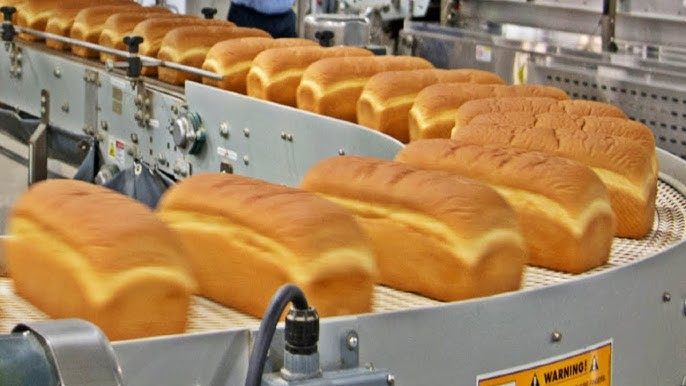
HARARE, ZIMBABWE – The price of a standard loaf of bread in Zimbabwe has risen sharply, with a snap survey across major urban centres showing retail prices now ranging between US$1 and US$1.17, as rising fuel costs continue to push up production and distribution expenses.
Industry players say the increase reflects mounting pressure across the supply chain, with bakers citing higher transport costs, wage demands, and more expensive raw materials. The Bakers Association of Zimbabwe confirmed the price movement, noting that production costs have been steadily climbing in recent weeks. Association president Elvis Ncube said while bakers are free to set their own prices, the recommended retail price currently stands at US$1.10 per loaf.
“Costs of production are increasing, which is pushing prices up. It is up to individual bakers to set their prices. We have multiple cost drivers,” said Ncube.
Zimbabwe’s baking industry relies heavily on daily distribution networks to supply fresh bread nationwide, making it particularly sensitive to fuel price fluctuations. Bakers say recent increases in fuel prices have significantly raised transport costs, affecting both the delivery of finished products and the sourcing of key inputs such as flour and packaging materials.
“When we talk of cost escalation, we are not referring to fuel only. Wages are rising, suppliers have increased prices for materials, and fuel is also required for production and distribution,” Ncube added.
Economists say the bread price increase highlights how fuel costs continue to act as a key inflation driver in Zimbabwe’s economy, with knock-on effects across essential goods.
“Bread is a staple commodity, so any increase in its price is immediately felt by households and reflects broader inflationary pressures,” said a Harare-based economic analyst.
A spot check by Southerton Business Times in areas including Harare, Bulawayo, and Mutare confirmed the price range, with some retailers already pricing above the recommended level. Consumers expressed concern over the continued rise in the cost of basic goods.
“Bread is something we buy almost every day. When the price goes up, it affects the whole household budget,” said a shopper in Harare’s central business district.
Bakers warn that profit margins are being squeezed as input costs rise faster than consumer purchasing power, forcing difficult pricing decisions. The sector has also faced recurring challenges linked to foreign currency shortages, fluctuating exchange rates, and rising utility costs, all of which feed into the final shelf price. Analysts note that unless cost pressures ease, particularly fuel prices, further increases in bread and other basic commodities remain likely.
The latest bread price hikes are expected to intensify cost-of-living pressures for Zimbabwean households already grappling with rising prices of food, transport, and other essentials. With bread widely regarded as a daily staple, even small increases can have an outsized impact on low-income consumers.
Zimbabwe bread price increase


Comments