

Zimbabwe Moves to Liberalise Gold Ownership
- Southerton Business Times

- Nov 8, 2025
- 2 min read

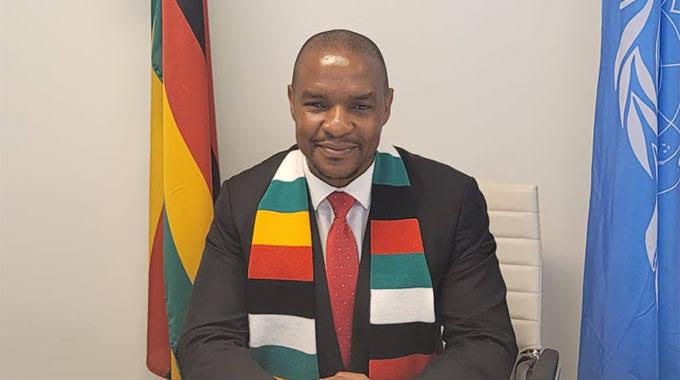
Finance Minister Professor Mthuli Ncube has endorsed a proposal to liberalise gold ownership for Zimbabwean citizens, calling it a logical reform to align the country’s monetary system with international norms and to offer households a reliable store of value.
Speaking at the 2026 pre-budget seminar in Bulawayo, Prof Ncube said the government is reviewing frameworks from countries that allow private gold ownership, emphasising that while the move could strengthen household savings and confidence in the economy, it must be accompanied by clear regulations to prevent illicit activity.
“Hard assets such as gold already function as parallel stores of value alongside the US dollar,” Ncube noted, adding that a formal, transparent regime would integrate this reality into policy and improve financial stability.
Supporters of the plan argue that allowing citizens to buy and hold gold freely could increase domestic demand for locally mined gold, support wealth preservation, and create stronger links between miners, refiners, and formal retail channels. They also contend that legalising household ownership could help formalise artisanal mining, curbing smuggling and ensuring small producers can sell their gold through legitimate markets.
However, critics have warned that liberalisation without tight oversight could fuel illicit trade, tax evasion, and money-laundering risks. Economists urged the government to pair the policy with strong traceability systems, licensing requirements, and community education to ensure compliance. They also called for phased implementation and mandatory reporting mechanisms for gold dealers and investors.
The Finance Ministry said technical working groups will be established to draft the regulatory framework and engage stakeholders before any legislation is brought to Parliament. Ncube stressed that consumer protection, certification, and transparent taxation will be central to the policy design.
The government framed the proposal as part of its wider strategy to formalise the informal sector, strengthen fiscal integrity, and ensure Zimbabwe captures greater value from its mineral wealth. If implemented carefully, analysts say the policy could mark a major step toward a more open, accountable, and inclusive gold market.
“Gold is both a symbol of value and a practical instrument of confidence. Allowing citizens to own it formally is a natural evolution,” — Prof Mthuli Ncube.


Comments