

Her Words Pierced, Yet I Stayed: A Husband’s Journey Through Brain Cancer


By Mpundu Valerie
Disclaimer: This is a personal account as told by the carer. Names have been used as provided by the narrator. The story describes his experience of caring for his wife and is not medical advice.
She was calm, soft-spoken, and funny until headaches, seizures, and a temper no one understood took over.
Not many would have stayed in my position. For a man to bow and commit to his vows when everything in the house is screaming is something not many might understand.
Hillary says this quietly, not as a badge of honour, but as a fact. Sheila stood by me when all odds were against me. She was my ride or die. The one who deserved to be loved because she had earned it. He describes her as calm, soft-spoken, funny, and always in her element. Waking up every day by her bedside, he says, was the greatest thing that ever happened to him.
That was before 2018. Around 2018, Sheila started developing very strong headaches. Paracetamol would not help. The family thought she was overworking. There was an upcoming conference she had put everything into.
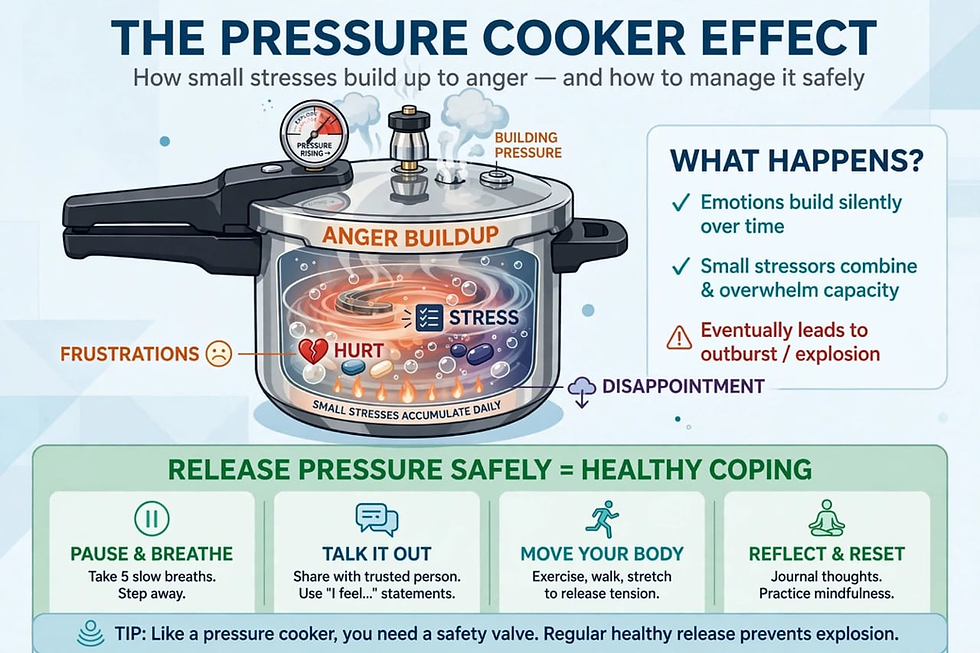
Her headaches became consistent. Then her temper changed. She would snap even at the tiniest things. Sometimes she would text a whole PDF explaining and crying because he had left a coffee mug on the table. At times she would just scream for no reason.
"I took it, and appreciated my beautiful wife," Hillary remembers. "I saw this as pressure building up from the conference. Yet there was more to it."
In her finer moments, she was still the sweetest he had ever known. Her presence would brighten even the darkest room. That contrast between the woman he knew and the woman who would suddenly explode is what kept him confused.
One day she had a seizure. We ignored it. Pressure, we said.
Then the second time, she threw violent tantrums and fell off. When she woke up, she curled beside me and said, "I don't know what is wrong with me... I can't take this anymore, I am falling apart, it is not your fault, but I am failing to understand what is going on in my head... I need help."

"I just held her, stared blankly, and dropped a tear. I had never seen this side to her." That is when we went to Sten's office. Sten is a family friend. He sat us down and explained. He said Sheila had a cancer called glioblastoma Grade 4, the fastest and most serious kind. It does not stay in one place. It spreads like roots into the brain around it.
He said because of where it was, at the front of her brain where personality lives, it was pressing on who she was. That was why paracetamol was not working for her morning headaches, why she was vomiting, why she was so tired, and why she had the seizures.
That was also why she was snapping. The shouting over a coffee mug, the long angry texts it was not her being difficult. It was the tumor sitting on the part that controls her mood. That was the first time I understood. It was not Sheila. It was what was happening inside her head.
After that, things became more irrational, not less. The headaches were worse when waking up. She would struggle to find words, drag her foot, bump into things on one side, then get angry that he noticed. She would accuse him, push him away, then minutes later hold him and cry like a child.
It made things worse for Hillary, yet he stayed.
The hardest pain was not the shouting. It was watching her fade away every day. Watching the funny, soft-spoken woman who lit up a room struggle to be herself, while still fighting inside a head that was failing her.
This is the part carers rarely say out loud. How do you tell people your sick wife is shouting at you every day? How do you complain about someone who is dying? So many stay silent, absorbing words that pierce, because the alternative — leaving — feels like betrayal.
Hillary stayed because he understood, finally, that the temper was not Sheila. The temper was where the tumor lived. "She stood by me when all odds were against me. Waking up by her was still the greatest thing that ever happened to me. Even on the hard days."
Cancer awareness matters. Persistent or worsening headaches, seizures, new speech difficulties, weakness, or sudden changes in behaviour warrant urgent medical assessment. These symptoms can have many causes and do not, on their own, establish a cancer diagnosis.
To share your story, kindly reach out on 263 774 778 179.

caring for a wife with brain cancer


Comments