

NRZ Recapitalisation to Transform Zimbabwe's Rail Network, Says Felix Mhona

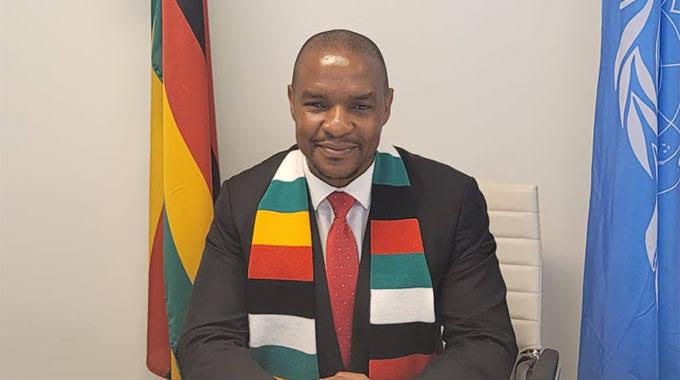
Transport and Infrastructure Development Minister Felix Mhona has hailed ongoing efforts to recapitalise the National Railways of Zimbabwe, describing the programme as a critical step toward strengthening Zimbabwe's transport network, boosting trade efficiency, and supporting long-term economic growth.
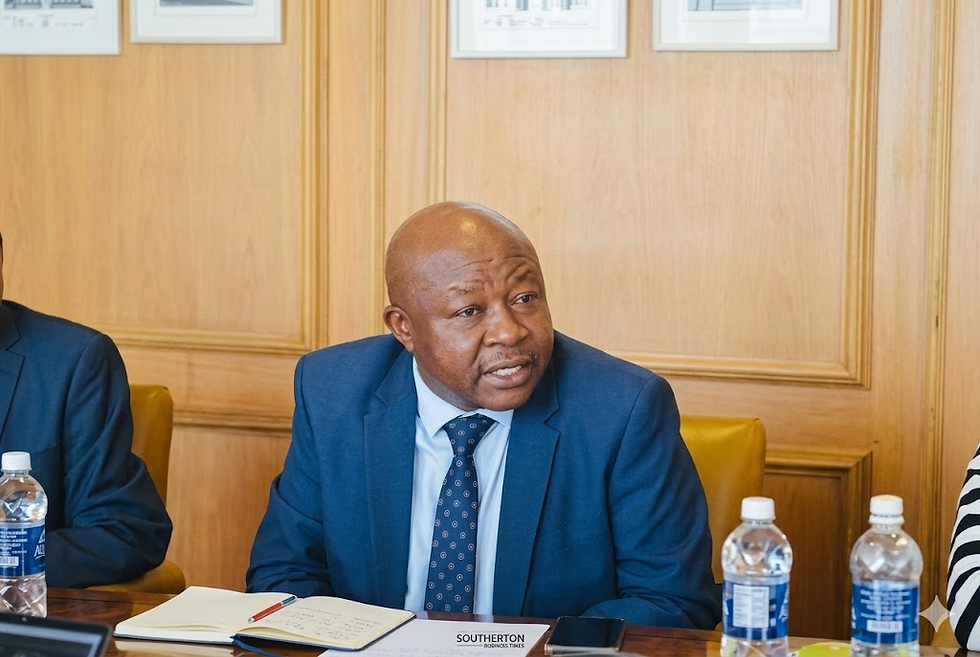
Speaking at the Ninth Session of the Line Minister's Public Entities Corporate Governance Oversight Meeting in Bulawayo on Saturday, Mhona said restoring the railway operator's capacity remains essential to reducing pressure on roads, lowering logistics costs, and improving the movement of goods across the country. The meeting brought together boards and management teams from entities under the Ministry of Transport and Infrastructure Development to review performance, strengthen accountability, and reinforce corporate governance standards.
Mhona acknowledged that NRZ continues to face significant financial and operational challenges but said efforts to revive the rail operator are gathering pace through collaboration with the Mutapa Investment Fund.
"NRZ continues to face capacity and financial constraints. In light of these challenges, it is imperative that we sustain and deepen our engagements aimed at supporting the entity's recapitalisation agenda," Mhona said.
"I wish to acknowledge the commendable efforts being undertaken by NRZ, in collaboration with Mutapa Investment Fund, to mobilise resources and strategic partnerships."
Under the Resource Financed Infrastructure (RFI) model, the Mutapa Investment Fund is leading a US$400 million railway rehabilitation and recapitalisation programme aimed at restoring operational efficiency and increasing freight-handling capacity.
The investment package includes:
US$120 million for railway track rehabilitation.
US$100 million for signalling systems, communications infrastructure, and ICT upgrades.
Additional funding for rolling stock rehabilitation and operational improvements.
The programme is expected to shift significant volumes of bulk freight from road to rail, reducing road maintenance costs and improving transport efficiency nationwide. Loan repayments under the financing arrangement are expected to be linked to cargo volumes transported on revitalised rail corridors.

Priority routes identified for rehabilitation include:
Harare – Mutare – Machipanda Border Post corridor
Harare – Bulawayo – Rutenga railway line
These corridors are regarded as strategic trade routes linking Zimbabwe to regional and international markets.
Mhona also highlighted the importance of cross-border railway developments aimed at improving regional integration and trade connectivity.
Among the projects under consideration are:
The Ponta Techobanine Railway Project involves Zimbabwe, Mozambique, and Botswana.
The Lion's Den-Kafue Rail Link, which will connect Zimbabwe's rail network to Zambia.
According to Mhona, these projects will strengthen the North-South transport corridor and create more efficient links to regional markets.
The minister said the proposed rail links would improve access to markets in the Democratic Republic of the Congo and Angola through Zambia, enhancing Zimbabwe's position as a regional logistics and transport hub. The rail modernisation drive forms part of broader government efforts to improve infrastructure, facilitate trade, and stimulate economic growth through more efficient transport systems.
NRZ recapitalisation


Comments