

Ministry warns that charging extra lessons is corruption


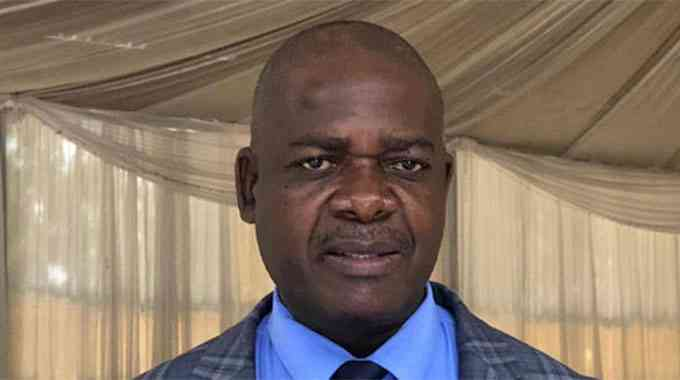
The Ministry of Primary and Secondary Education has reiterated that teachers who demand payment from pupils for extra lessons are committing corruption and abusing public office. Speaking in Bulawayo, the ministry’s Director of Communications and Advocacy, Taungana Ndoro, said teachers are already salaried by the state and must not exploit their classroom authority to solicit money from parents.
Ndoro described the practice as a clear misuse of public power and warned that offenders face disciplinary measures and possible criminal prosecution.
Ministry stance and examples
Ndoro told the meeting that asking parents to pay for lessons that form part of a teacher’s duty is equivalent to corruption in public office. He compared the behaviour to other public‑sector bribes, saying it mirrors scenarios where officials demand money to perform routine duties.
He said teachers who claim they need extra income or that the lessons help struggling pupils are not excused: such explanations do not justify soliciting payments for work they are paid to do.
Scale of the problem and parental complaints
Parents across the country have reported that some public‑school teachers charge between US$10 and US$20 per month per child for extra lessons. These sessions have, in some cases, become de facto “pay‑to‑learn” schemes, with allegations that pupils who do not pay are overlooked or disadvantaged.
Ndoro warned that such conduct undermines trust in the education system and places an unfair burden on families.
Reporting channels and escalation
The ministry urged parents to use formal reporting channels and to start at the lowest level when raising concerns. For classroom issues, parents should first speak to the class teacher. If unresolved, the complaint should be taken to the head of the school, whom Ndoro described as the institution’s CEO.
If the headmaster does not resolve the matter, parents should escalate to the district and then the provincial offices. Ndoro acknowledged that some headmasters and district officials have colluded in corrupt practices, which can erode confidence in local reporting structures.
Final escalation and sanctions
Ndoro said that if district and provincial channels fail, parents should bring complaints to the ministry’s head office, where the permanent secretary can take decisive action. He added that unresolved matters can also be taken to court.
Teachers found charging pupils for extra lessons may face sanctions under public service regulations and could be subject to criminal charges for abusing public office.
teachers charging extra lessons corruption


Comments